
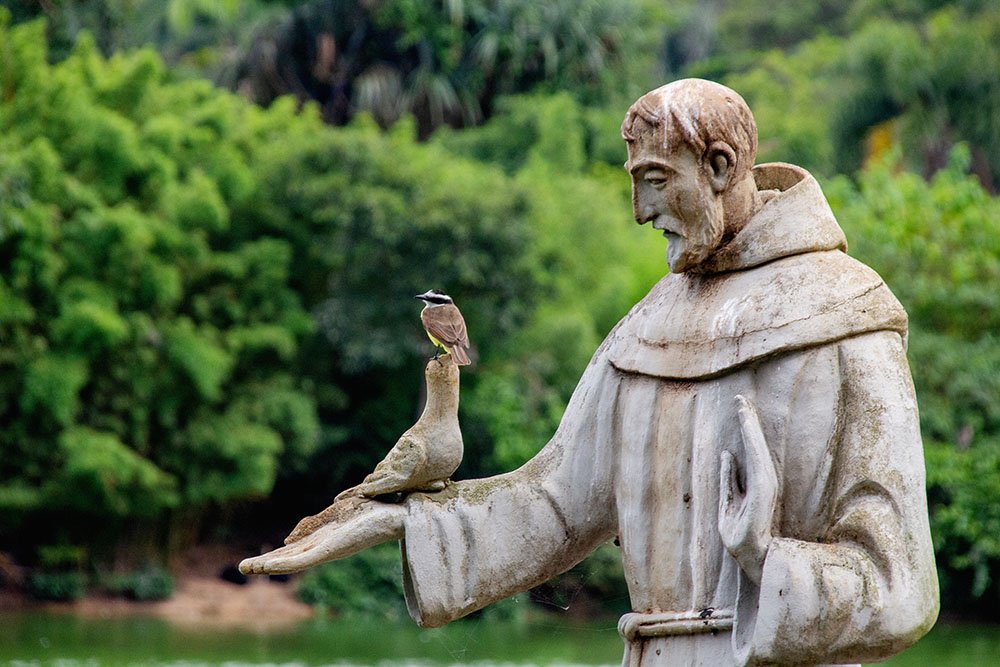
Christianity has many sacred places that have shaped the faith for centuries. Among them, the small Italian town of Assisi holds a unique place in the hearts of millions of believers around the world. Despite its modest size, Assisi has become one of the most visited Christian pilgrimage destinations, attracting travelers, historians, and spiritual seekers alike.
So, why is Assisi famous in Christianity?
The answer lies in its deep connection with Saint Francis of Assisi, one of the most influential Christian saints in history. Assisi is also the birthplace of Saint Clare, home to remarkable medieval churches, and a center of peace, prayer, and spiritual renewal. Its rich religious heritage continues to inspire people from every corner of the world.
In this guide, you’ll discover the history of Assisi, its importance in Christianity, its sacred landmarks, and why this beautiful hill town remains one of the world’s most treasured Christian destinations.
The Historical Importance of Assisi in Christianity
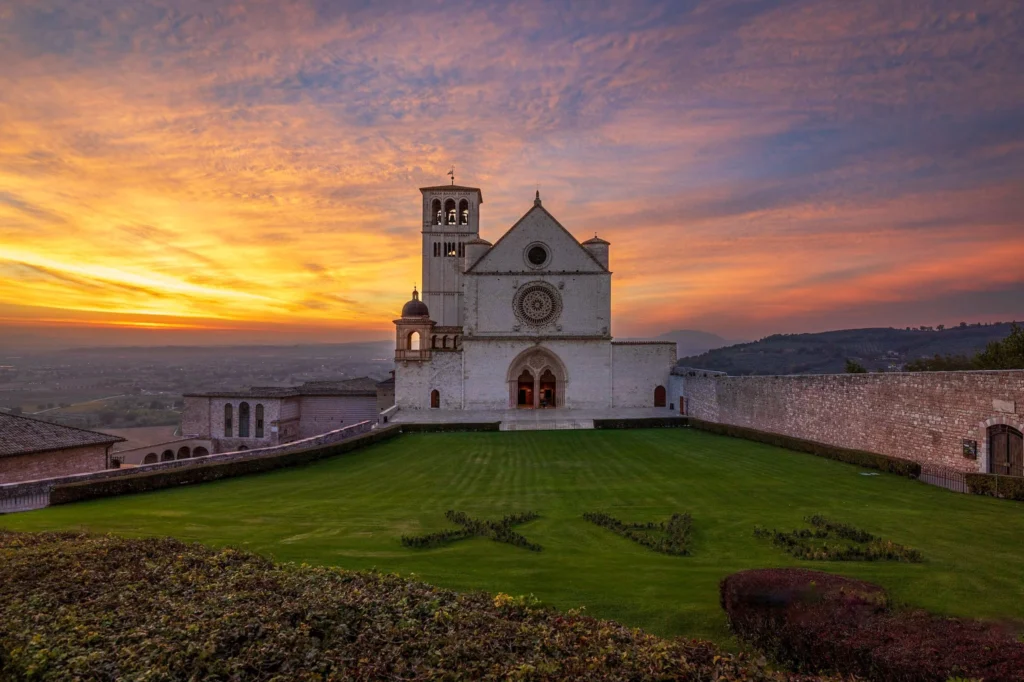
Assisi is a medieval town located in the Umbria region of central Italy. Although it existed long before Christianity spread across Europe, its worldwide religious significance began in the late 12th century with the birth of Saint Francis.
Over the centuries, Assisi transformed from a quiet Italian town into an international symbol of Christian faith, humility, compassion, and peace.
Today, millions of pilgrims visit Assisi every year to walk the same streets where Saint Francis lived, prayed, and served others.
The town is recognized not only for its religious history but also for its exceptionally preserved medieval architecture, making it one of Italy’s most treasured historic destinations.
Who Was Saint Francis of Assisi?
The primary reason Assisi is famous in Christianity is because it is the birthplace of Saint Francis of Assisi.
Born in 1181 or 1182 into a wealthy merchant family, Francis enjoyed a comfortable childhood. However, after experiencing illness, war, and a profound spiritual awakening, he completely changed the direction of his life.
Instead of pursuing wealth and social status, Francis chose a life devoted to God.
He embraced:
- Simplicity
- Humility
- Poverty
- Prayer
- Service to the poor
- Love for all creation
His lifestyle challenged many social values of his time and inspired countless followers across Europe.
His example continues to influence Christians of many denominations today.
Why Saint Francis Changed Christianity
Saint Francis did not attempt to create a new religion. Instead, he encouraged Christians to return to the teachings of Jesus through simple living and genuine compassion.
Some of his greatest contributions include:
Living the Gospel
Francis believed that faith should be demonstrated through daily actions rather than words alone.
He cared for the sick, welcomed the poor, and showed kindness to everyone he met.
Respect for Nature
Saint Francis viewed animals, plants, and the natural world as God’s creation deserving care and respect.
Because of this belief, he is widely regarded as the patron saint of animals and the environment.
Promoting Peace
During periods of conflict, Francis encouraged forgiveness, reconciliation, and peaceful dialogue.
His message of peace remains relevant in modern Christianity.
Inspiring Christian Service
His example inspired generations of Christians to dedicate their lives to helping others.
His teachings continue to influence charitable organizations, churches, and humanitarian work around the world.
The Basilica of Saint Francis
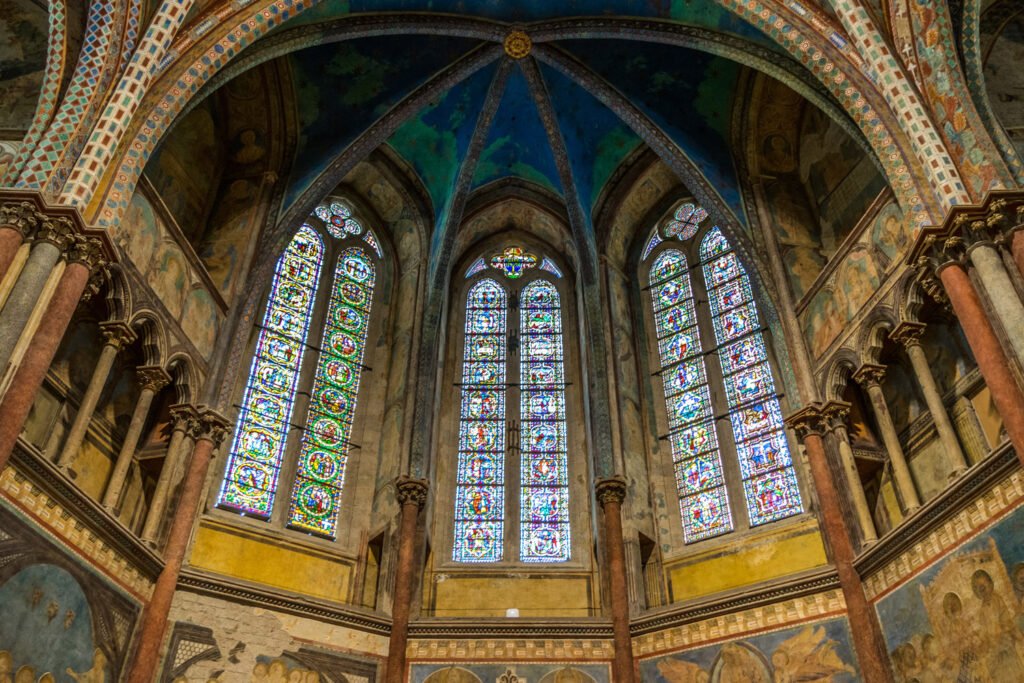
No discussion about Assisi is complete without mentioning the Basilica of Saint Francis.
Completed in the 13th century, this magnificent church was built shortly after Saint Francis was declared a saint.
The basilica contains his tomb, making it one of Christianity’s most important pilgrimage sites.
Visitors admire the basilica for several reasons:
- Beautiful medieval architecture
- Historic frescoes depicting the life of Saint Francis
- Peaceful prayer spaces
- Spiritual atmosphere
- Rich Christian heritage
The church consists of two levels:
The Upper Basilica
Known for its bright interior and stunning artwork, the Upper Basilica tells the story of Saint Francis through a series of remarkable frescoes.
The Lower Basilica
The Lower Basilica offers a quieter atmosphere and houses the tomb of Saint Francis, where pilgrims gather to pray throughout the year.
Why Pilgrims Visit Assisi
Millions of Christians travel to Assisi every year for reasons that go beyond sightseeing.
Many visitors come seeking spiritual renewal, personal reflection, and a deeper understanding of Christian faith.
Pilgrims often hope to:
- Pray at Saint Francis’ tomb
- Visit important churches
- Learn about Christian history
- Reflect in peaceful surroundings
- Experience the town’s spiritual atmosphere
Unlike many tourist destinations, Assisi encourages visitors to slow down and focus on faith, gratitude, and inner peace.
Saint Clare and Her Connection to Assisi
Assisi is also closely associated with Saint Clare, another highly respected figure in Christianity.
Inspired by Saint Francis, Clare dedicated her life to God and embraced voluntary poverty.
She later founded the Order of Poor Ladies, now known as the Poor Clares.
Her commitment to prayer, humility, and service continues to inspire Christians worldwide.
The Basilica of Saint Clare, built in Assisi after her death, remains an important destination for pilgrims.
The Franciscan Movement
One of Assisi’s greatest contributions to Christianity is the Franciscan movement.
Saint Francis established a religious community that emphasized:
- Humility
- Compassion
- Service
- Simplicity
- Charity
- Evangelization
Today, Franciscan communities serve around the world.
They operate:
- Schools
- Hospitals
- Churches
- Mission centers
- Charitable organizations
- Educational institutions
The influence of Franciscan spirituality reaches millions of people regardless of nationality or culture.
Assisi as a UNESCO World Heritage Site
Assisi is not only important for religious reasons but also for its cultural and historical value.
The town has been recognized as a UNESCO World Heritage Site because of its:
- Well-preserved medieval buildings
- Historic churches
- Outstanding religious artwork
- Influence on European art and architecture
- Lasting contribution to Christian history
Its narrow streets, stone buildings, and ancient churches offer visitors a glimpse into centuries of Christian tradition.
Important Christian Sites in Assisi
Besides the Basilica of Saint Francis, several other religious landmarks attract visitors.
Basilica of Saint Clare
This beautiful church honors Saint Clare and preserves important relics connected with her life.
Cathedral of San Rufino
Dedicated to Saint Rufinus, this cathedral played an important role in the lives of both Saint Francis and Saint Clare.
Eremo delle Carceri
Located in the nearby forest on Mount Subasio, this peaceful hermitage is where Saint Francis often prayed in solitude.
Many visitors appreciate its quiet atmosphere and natural beauty.
Santa Maria degli Angeli
This large basilica protects the small chapel known as the Porziuncola, one of the most meaningful places in the life of Saint Francis.
Lessons Christians Learn from Assisi
The story of Assisi continues to teach timeless Christian values.
Some of the most meaningful lessons include:
- Faith grows through daily actions.
- Humility is a strength rather than a weakness.
- Caring for others reflects Christian love.
- Nature deserves respect as part of God’s creation.
- Peace begins with individual choices.
- True happiness is not based on wealth.
These lessons explain why the town remains spiritually significant after more than 800 years.
Why Assisi Continues to Inspire the World
Assisi attracts not only Christians but also historians, artists, educators, and travelers interested in culture and heritage.
Its influence can be seen in:
- Christian education
- Environmental stewardship
- Charitable work
- Peace initiatives
- Religious art
- Pilgrimage traditions
The message of Saint Francis speaks across generations because it emphasizes kindness, compassion, and hope.
Even people from different backgrounds often find inspiration in his simple way of life.
Best Time to Visit Assisi
Visitors can explore Assisi throughout the year, but each season offers a different experience.
Spring
Spring brings pleasant temperatures, blooming landscapes, and comfortable walking conditions.
Summer
Summer is the busiest season with many pilgrims and international tourists.
Autumn
Autumn offers mild weather, beautiful scenery, and fewer crowds.
Winter
Winter provides a peaceful atmosphere, making it ideal for quiet reflection and spiritual visits.
Interesting Facts About Assisi
Here are a few fascinating facts about this remarkable Christian town:
- Assisi is over 2,000 years old.
- Saint Francis was born here in the late 12th century.
- Saint Clare was also born in Assisi.
- Millions of pilgrims visit every year.
- The Basilica of Saint Francis houses the saint’s tomb.
- The town is recognized as a UNESCO World Heritage Site.
- Assisi is considered one of the most important Christian pilgrimage destinations in Europe.
- Saint Francis is widely known as the patron saint of animals and the environment.
Frequently Asked Questions
Why is Assisi important in Christianity?
Assisi is important because it is the birthplace of Saint Francis of Assisi and Saint Clare. It is also home to the Basilica of Saint Francis, one of Christianity’s most significant pilgrimage sites.
Why do Christians visit Assisi?
Christians visit Assisi to pray at Saint Francis’ tomb, explore historic churches, deepen their faith, and experience the town’s peaceful spiritual atmosphere.
Is Assisi only important to Catholics?
Although Assisi holds special significance within the Catholic Church, many Christians from different traditions admire Saint Francis for his teachings on humility, peace, and compassion.
What is the most famous church in Assisi?
The Basilica of Saint Francis is the most famous church in Assisi and is one of Italy’s most important religious landmarks.
Conclusion
Assisi is famous in Christianity because it represents far more than a historic Italian town. It is the birthplace of Saint Francis and Saint Clare, the home of world-renowned churches, and a lasting symbol of humility, peace, compassion, and faithful service.
For more than eight centuries, pilgrims have traveled to Assisi to strengthen their faith, reflect on the teachings of Saint Francis, and experience the town’s remarkable spiritual atmosphere. Its sacred landmarks, rich Christian history, and enduring message of hope continue to inspire millions of people across the globe.
Whether you are interested in Christian history, religious pilgrimage, or the life of one of Christianity’s most beloved saints, Assisi remains a destination that offers lasting spiritual and cultural significance.

Leave a Reply