

The Meaning of Peace Prayer by Saint Francis continues to inspire millions of people around the world, regardless of their faith or background. Its simple yet powerful message encourages love over hatred, forgiveness over resentment, hope over despair, and light over darkness. These timeless values make the prayer one of the most cherished spiritual reflections ever written.
Although the prayer is widely linked to Saint Francis of Assisi, historians have found that it was actually written many centuries after his lifetime. Even so, its humble spirit closely reflects the values Saint Francis lived every day. The prayer beautifully captures his dedication to peace, compassion, humility, and service to others.
In this article, you will discover the deeper meaning behind the Peace Prayer, explore its spiritual themes, understand its historical background, and learn how its message can transform daily life.
The History Behind the Peace Prayer

Many people know this prayer as the “Prayer of Saint Francis,” but its history is fascinating.
The earliest known version appeared in France in 1912 in a small Catholic publication called La Clochette. There is no historical evidence that Saint Francis of Assisi wrote these words during his lifetime in the 12th or 13th century.
So why is it connected to him?
The answer lies in its message. Every line reflects the values Saint Francis practiced throughout his life:
- Living with humility
- Loving without expecting anything in return
- Serving others before oneself
- Seeking peace instead of conflict
- Trusting God completely
Because the prayer mirrors his way of life so perfectly, it eventually became associated with him and is now known worldwide as the Peace Prayer of Saint Francis.
What Is the Peace Prayer?
The prayer begins with a simple yet life-changing request:
“Lord, make me an instrument of your peace.”
Instead of asking God for personal success or comfort, the prayer asks for the ability to bring goodness into the lives of others.
It continues by asking God to replace negative attitudes with positive actions:
- Love where there is hatred
- Forgiveness where there is injury
- Faith where there is doubt
- Hope where there is despair
- Light where there is darkness
- Joy where there is sadness
Every line shifts attention away from personal gain and toward serving others with compassion.
Understanding the Meaning of the Peace Prayer by Saint Francis
The prayer contains several powerful spiritual lessons that remain relevant today.
Becoming an Instrument of Peace
The opening line is perhaps the most meaningful.
Rather than asking for peace only for ourselves, it asks God to work through us so that we become peacemakers.
Being an instrument of peace means:
- Speaking kindly
- Resolving conflicts peacefully
- Encouraging others
- Showing patience
- Helping those in need
- Treating everyone with respect
Peace becomes something we actively share rather than simply hope to receive.
Choosing Love Instead of Hatred
Hatred divides people, while love brings healing.
The prayer reminds us that even when faced with anger or hostility, responding with kindness can change relationships and communities.
Choosing love does not mean ignoring wrongdoing. Instead, it means refusing to let bitterness control our hearts.
Forgiveness Brings Freedom
One of the prayer’s central themes is forgiveness.
Holding onto resentment often hurts us more than the person who offended us.
Forgiveness:
- Releases emotional burdens
- Restores relationships when possible
- Encourages healing
- Reflects compassion
The prayer teaches that forgiveness is an act of strength rather than weakness.
Bringing Hope During Difficult Times
Every person experiences moments of disappointment or uncertainty.
The prayer encourages believers to become sources of hope by:
- Offering encouragement
- Listening without judgment
- Supporting others emotionally
- Trusting that difficult seasons can pass
Hope gives people the courage to move forward.
The Symbolism Found Throughout the Prayer
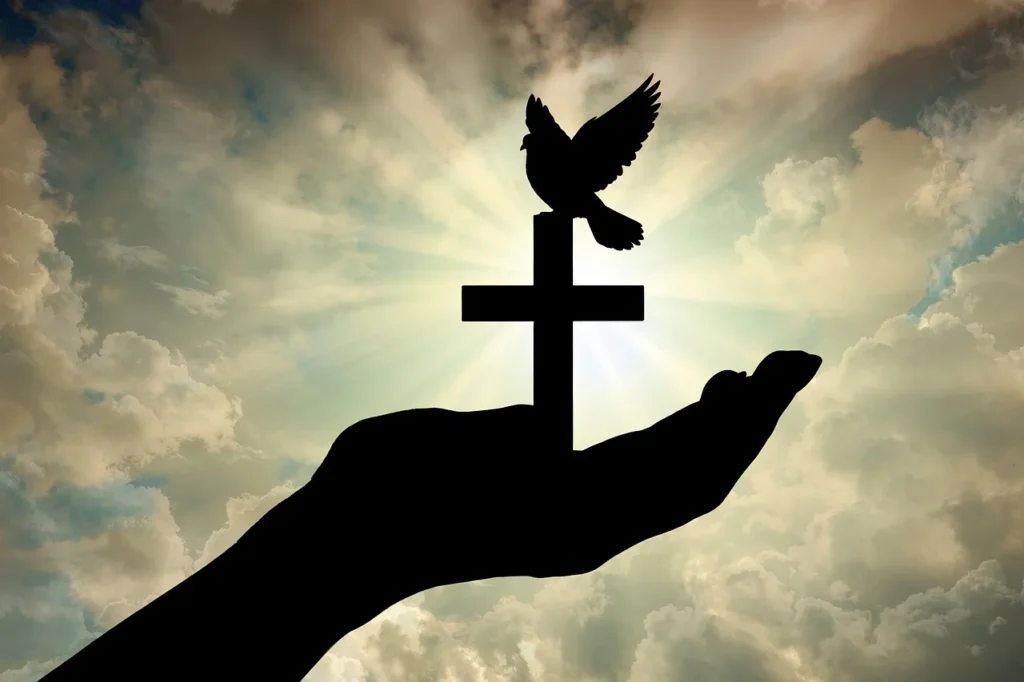
Although the prayer uses simple language, every contrast carries deep symbolic meaning.
Hatred and Love
Love is presented as the answer to hatred.
This reflects the Christian belief that genuine love has the power to overcome division and conflict.
Darkness and Light
Darkness often symbolizes fear, confusion, or suffering.
Light represents:
- Truth
- Wisdom
- Guidance
- God’s presence
- Hope
Choosing to bring light means encouraging others through positive words and actions.
Doubt and Faith
Faith does not eliminate every question.
Instead, it encourages trust even when circumstances remain uncertain.
The prayer invites people to strengthen faith rather than allowing fear to dominate their lives.
Sadness and Joy
Joy in this prayer is not merely happiness.
It represents a lasting inner peace that remains even during life’s challenges.
Why the Peace Prayer Still Matters Today
Modern society often experiences conflict, stress, and division.
The Peace Prayer remains relevant because it addresses challenges that people still face every day.
Its message applies in many areas of life.
In Families
Families can practice the prayer by:
- Listening carefully
- Apologizing sincerely
- Forgiving quickly
- Speaking respectfully
- Supporting one another
In the Workplace
Professionals can reflect the prayer by:
- Treating colleagues fairly
- Solving disagreements peacefully
- Encouraging teamwork
- Showing integrity
- Leading with humility
In Communities
Communities become stronger when individuals:
- Volunteer
- Help neighbors
- Support charitable work
- Welcome newcomers
- Promote understanding
The prayer encourages every person to become part of the solution rather than adding to conflict.
Lessons We Can Learn from Saint Francis
Even though historians believe Saint Francis did not write this prayer, his life perfectly demonstrates its message.
Some of his greatest lessons include:
Live with Humility
Saint Francis gave up wealth to serve God and others.
His life reminds us that true greatness often comes through humility rather than status.
Respect Every Person
He treated rich and poor alike with kindness and dignity.
His example teaches that every human being deserves compassion.
Care for Creation
Saint Francis is remembered for his love of nature.
He believed the natural world reflects God’s goodness and should be treated with gratitude and respect.
Serve Instead of Seeking Recognition
Throughout his life, Saint Francis focused on serving rather than receiving praise.
This attitude appears clearly throughout the Peace Prayer.
Practical Ways to Live the Peace Prayer Every Day
Understanding the prayer is valuable, but living its message makes the greatest difference.
Here are practical ways to apply it daily.
1. Begin Each Morning with the Prayer
Reading it before starting the day helps shape a peaceful mindset.
2. Speak Words That Build Others Up
Simple encouragement can brighten someone’s entire day.
3. Practice Active Listening
Many conflicts lessen when people genuinely listen instead of immediately responding.
4. Choose Forgiveness
Forgiveness often requires courage, but it creates room for healing.
5. Help Someone Without Expecting Anything Back
Small acts of kindness reflect the heart of the prayer.
Examples include:
- Helping a neighbor
- Donating to those in need
- Encouraging a friend
- Volunteering in your community
6. Pray for Wisdom
Ask God to guide your thoughts, words, and actions so that peace becomes part of your daily life.
Common Misunderstandings About the Peace Prayer
Several misconceptions surround this famous prayer.
Myth 1: Saint Francis Personally Wrote It
Historical evidence suggests the prayer originated centuries after Saint Francis lived.
However, its message closely matches his teachings and lifestyle.
Myth 2: It Is Only for Christians
Although rooted in Christian values, many people from different backgrounds appreciate its universal message of peace, kindness, and compassion.
Myth 3: Peace Means Avoiding Problems
The prayer does not encourage ignoring conflict.
Instead, it teaches responding to challenges with wisdom, love, forgiveness, and humility.
Why This Prayer Has Endured for Generations
Few prayers have reached as many people across cultures as the Peace Prayer.
Its lasting popularity comes from several qualities:
- Simple language
- Timeless wisdom
- Universal values
- Practical guidance
- Encouragement toward kindness
- Focus on serving others
These principles remain meaningful regardless of changing times.
Many schools, churches, charities, peace organizations, and individuals continue to share its message because it encourages positive action instead of merely inspiring good intentions.
How the Peace Prayer Encourages Personal Growth
The prayer gently shifts our focus from what we want to what others need.
It encourages qualities that strengthen both character and relationships, including:
- Patience
- Compassion
- Humility
- Generosity
- Selflessness
- Gratitude
- Forgiveness
- Courage
As these qualities grow, people often experience greater inner peace and healthier relationships with family, friends, coworkers, and their communities.
Rather than promising an easy life, the prayer teaches that lasting peace begins with everyday choices rooted in love and service.
Conclusion
The Meaning of Peace Prayer by Saint Francis extends far beyond its beautiful words. It is a guide for living with compassion, humility, forgiveness, and hope. Although historians generally agree that Saint Francis did not personally write the prayer, its message reflects the values that defined his remarkable life.
Its timeless wisdom reminds us that peace begins within each person and grows through acts of kindness, understanding, and selfless service. Whether we choose forgiveness instead of resentment, encouragement instead of criticism, or hope instead of despair, we become instruments of peace in our homes, workplaces, and communities.
The enduring message of this beloved prayer continues to inspire people across generations because it calls each of us to make the world a little brighter through simple, faithful, and compassionate actions. By living its principles each day, we carry forward the spirit of peace that Saint Francis has come to symbolize for millions around the world.

Leave a Reply