
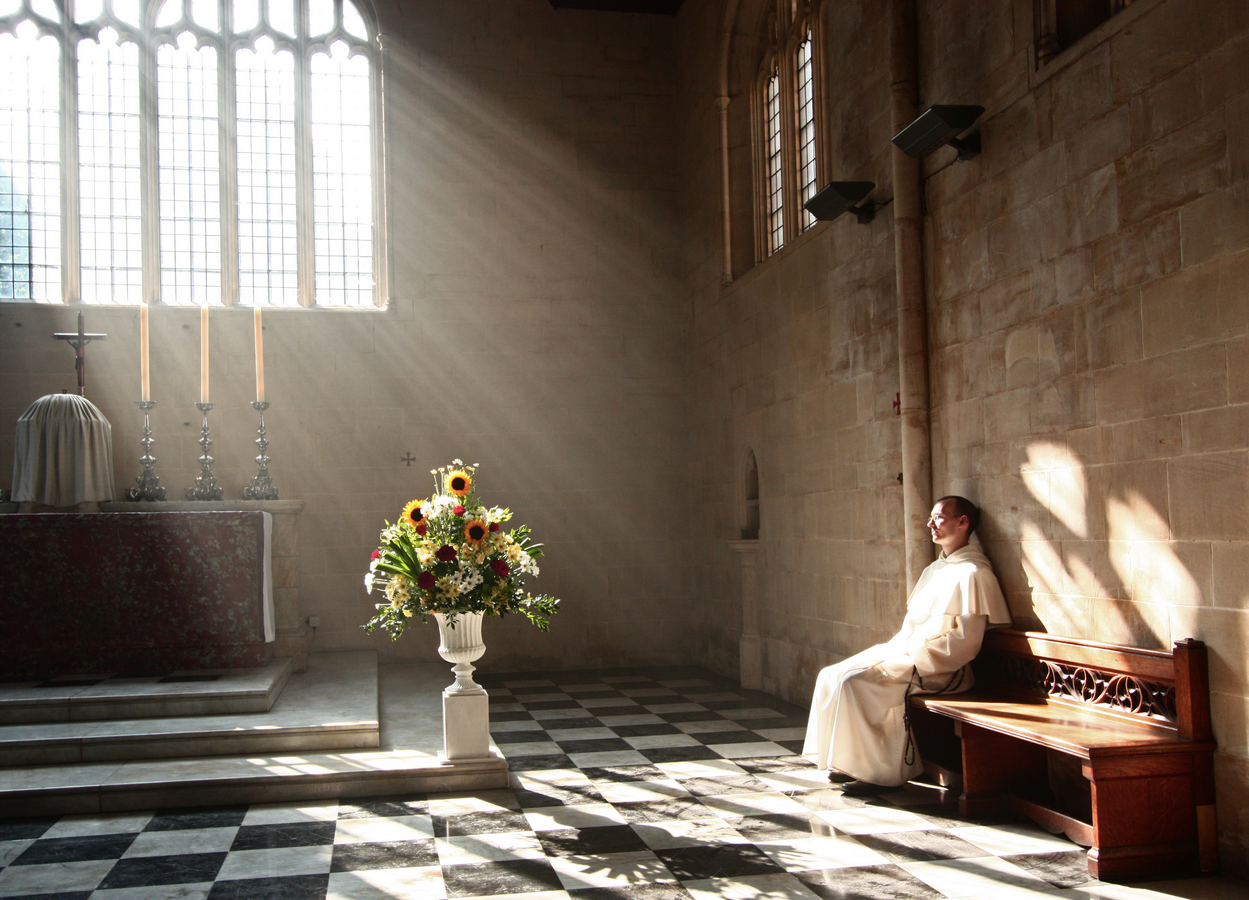
Christian contemplation is one of the most meaningful ways believers deepen their relationship with God. In a world filled with constant noise, distractions, and endless responsibilities, many Christians long for a quieter and more personal experience of faith. Contemplation offers exactly that. It is a practice of resting in God’s presence with an open heart, allowing Him to guide, transform, and strengthen the soul.
Unlike simply reading Scripture or speaking prayers, Christian contemplation emphasizes listening to God with trust and humility. It is not about emptying the mind or seeking mystical experiences for their own sake. Instead, it is about becoming more aware of God’s loving presence and allowing that awareness to shape daily life.
Whether you are new to the Christian faith or have been following Christ for years, understanding Christian contemplation can help you grow spiritually. This guide explains what Christian contemplation is, its biblical foundation, its benefits, and practical ways to begin this timeless spiritual practice.
What Is Christian Contemplation?
Christian contemplation is a form of prayer that focuses on quietly resting in God’s presence. Rather than speaking many words, the believer intentionally creates space to listen, reflect, and become attentive to God.
Contemplative prayer is built on the belief that God desires a personal relationship with every believer. Through silence and openness, Christians seek to deepen that relationship by allowing God’s love and truth to shape their hearts.
Contemplation is not passive. It requires intentional focus, patience, and trust. The goal is not simply to experience peace but to become more like Christ through ongoing communion with God.

The Biblical Foundation of Christian Contemplation
Christian contemplation is firmly rooted in Scripture. Throughout the Bible, believers are encouraged to be still before God, meditate on His Word, and seek His presence.
Several biblical themes support contemplative prayer:
- Being still before God
- Meditating on God’s truth
- Listening for God’s voice
- Trusting His guidance
- Drawing near through faith
Jesus Himself often withdrew from crowds to spend quiet time in prayer. Before making important decisions or beginning significant moments of ministry, He sought solitude with the Father. His example reminds Christians that spiritual strength grows through intentional time with God.
The Psalms also emphasize meditation and quiet trust, encouraging believers to focus their hearts on God’s goodness rather than life’s distractions.
How Christian Contemplation Differs From Other Forms of Prayer
Prayer takes many forms within the Christian life. Each serves an important purpose, but contemplation has a unique focus.
Vocal Prayer
This includes spoken or written prayers where believers express praise, thanksgiving, confession, and requests to God.
Scripture Meditation
Meditation involves slowly reading and reflecting on God’s Word, allowing biblical truths to shape the mind and heart.
Contemplative Prayer
Contemplation moves beyond words into quiet awareness of God’s presence. Rather than speaking continuously, believers listen with faith and openness.
These forms of prayer complement one another rather than compete. Many Christians begin with Scripture and prayer before entering a period of silent contemplation.
Why Christian Contemplation Matters
Contemplation is not simply a spiritual habit. It shapes every area of the Christian life by helping believers remain rooted in Christ.
Some of its greatest benefits include:
- Developing a deeper relationship with God
- Strengthening spiritual maturity
- Increasing inner peace
- Growing in wisdom and discernment
- Improving focus during prayer
- Encouraging patience and humility
- Helping believers trust God during difficult seasons
Regular contemplation also reminds Christians that faith is more than activity. It is first and foremost a relationship with God.

The Key Characteristics of Christian Contemplation
Understanding the qualities of contemplation helps believers practice it with confidence.
Silence
Silence removes unnecessary distractions and creates space for spiritual attentiveness.
Silence is not about ignoring the world. Instead, it allows believers to focus fully on God’s presence.
Stillness
Stillness includes both physical calm and inner peace. While thoughts may continue, the goal is gently returning attention to God whenever the mind wanders.
Listening
Christian contemplation emphasizes listening rather than speaking.
Listening means remaining open to God’s guidance through Scripture, the Holy Spirit, and a transformed heart.
Trust
Contemplation requires trust that God is present even when emotions remain unchanged.
Faith does not depend on dramatic experiences. God’s presence remains constant whether believers feel it immediately or not.
Love
The heart of contemplation is love.
Christians spend time with God because they desire to know Him more deeply, not merely to receive blessings.
Common Misunderstandings About Christian Contemplation
Many people misunderstand contemplation because similar practices exist in other religious traditions.
Here are some common misconceptions.
It Is Not Emptying the Mind
Christian contemplation does not encourage complete mental emptiness.
Instead, believers gently direct their attention toward God and His truth.
It Is Not Escaping Reality
Contemplation prepares Christians to engage the world with greater wisdom, compassion, and faithfulness.
Rather than withdrawing permanently, believers return to daily responsibilities with renewed strength.
It Is Not Seeking Extraordinary Experiences
The purpose is knowing God, not pursuing visions or unusual spiritual sensations.
Many contemplative prayers may feel simple and quiet, yet still produce lasting spiritual growth.
It Is Not Separate From Scripture
Authentic Christian contemplation always remains connected to biblical truth.
Scripture provides the foundation for understanding God’s character and will.
How to Practice Christian Contemplation
Beginning contemplative prayer does not require special knowledge or years of experience.
Follow these simple steps.
1. Choose a Quiet Place
Find a peaceful environment where interruptions are limited.
Consistency often helps establish a healthy routine.
2. Begin With Prayer
Ask God to guide your heart and help you focus on Him.
Keep your opening prayer simple and sincere.
3. Read a Short Bible Passage
Choose a brief section of Scripture.
Read slowly, paying attention to words or phrases that stand out.
4. Sit Quietly
Spend several minutes resting in God’s presence.
When distractions appear, gently return your attention to God without frustration.
5. Listen With Faith
Remain open to how God may shape your thoughts, attitudes, or understanding through His Word.
6. Close With Thanksgiving
End your time by thanking God for His presence and asking Him to help you live faithfully throughout the day.
Helpful Habits for Developing a Contemplative Life
Like any spiritual discipline, contemplation grows through consistency.
Consider these practical habits:
- Set aside a regular time each day.
- Start with five to ten minutes.
- Keep your Bible nearby.
- Pray before and after contemplation.
- Minimize digital distractions.
- Keep a journal for spiritual reflections.
- Practice patience with yourself.
- Focus on faithfulness rather than perfection.
Small daily moments often produce lasting spiritual growth over time.
Christian Contemplation and Daily Life
Contemplation should never remain limited to a quiet prayer corner.
Its purpose is to transform everyday living.
Believers who regularly practice contemplation often become more aware of God’s presence throughout ordinary activities such as:
- Working
- Studying
- Caring for family
- Serving others
- Making decisions
- Responding to challenges
Instead of separating spiritual life from daily responsibilities, contemplation helps Christians recognize God in every part of life.
The Relationship Between Christian Contemplation and Spiritual Growth
Spiritual maturity develops gradually.
Contemplation contributes to that growth by encouraging believers to become more attentive to God’s work within them.
Over time, many Christians experience growth in:
- Patience
- Compassion
- Humility
- Forgiveness
- Gratitude
- Self-control
- Wisdom
- Love for others
These qualities reflect the ongoing transformation that Scripture describes throughout the Christian life.
Challenges Beginners Often Face
Starting a contemplative practice can feel difficult.
Some common challenges include:
A Wandering Mind
Distractions are normal.
Simply return your attention to God without becoming discouraged.
Impatience
Spiritual growth takes time.
Avoid expecting immediate results.
Busy Schedules
Even ten minutes each day can become meaningful when practiced consistently.
Feeling Spiritually Dry
There may be seasons when contemplation feels ordinary.
Continue faithfully, trusting that God remains present regardless of emotions.
Tips for Staying Consistent
Building a lasting habit becomes easier with practical routines.
Consider these suggestions:
- Choose the same time each day.
- Create a quiet prayer space.
- Read a short Bible passage before contemplation.
- Turn off unnecessary notifications.
- Keep expectations realistic.
- Stay committed even during busy seasons.
- Reflect regularly on how God is shaping your life.
Consistency matters far more than long periods of prayer.
The Lasting Value of Christian Contemplation
Christian contemplation has remained an important spiritual practice throughout the history of the Church because it draws believers closer to God.
It reminds Christians that faith is more than knowledge or activity. It is a living relationship with the Creator, nurtured through trust, prayer, Scripture, and quiet attentiveness.
As believers spend regular time in God’s presence, they gradually become more aware of His love, guidance, and transforming grace. This inward renewal naturally influences how they love others, make decisions, and respond to life’s challenges.
No matter where you are in your spiritual journey, Christian contemplation offers an invitation to slow down, listen carefully, and grow deeper in your walk with Christ.
Conclusion
Christian contemplation is a simple yet powerful spiritual practice centered on resting in God’s presence and listening with faith. It is rooted in Scripture, modeled by Jesus, and practiced by Christians throughout history as a way to deepen their relationship with God.
Rather than chasing extraordinary experiences, contemplation encourages believers to develop a quiet, steady awareness of God’s love and guidance. Through regular prayer, reflection on Scripture, and intentional silence, Christians grow in wisdom, peace, humility, and spiritual maturity.
Whether you begin with just a few minutes each day or gradually develop a longer rhythm of prayer, Christian contemplation can become a meaningful part of your daily walk with Christ. As you faithfully seek God’s presence, you will discover that the quiet moments spent with Him often have the greatest impact on every area of your life.

Leave a Reply