
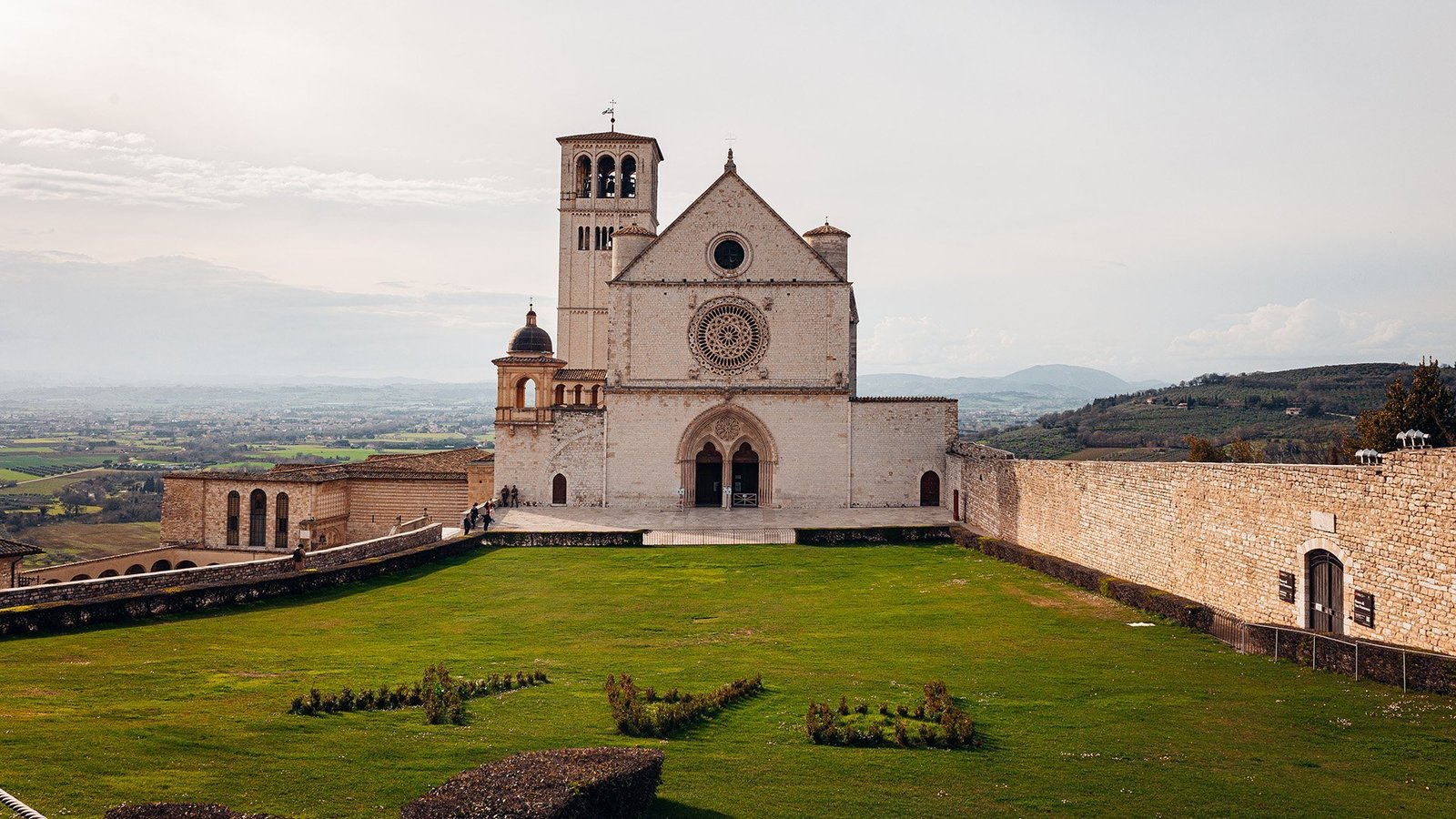
The Saint Francis Basilica in Assisi is one of Italy’s most inspiring religious landmarks. Known for its remarkable architecture, world-famous frescoes, and deep spiritual significance, this UNESCO World Heritage Site welcomes millions of visitors each year. Whether you are planning a pilgrimage, exploring Italy’s cultural treasures, or simply appreciating medieval art, this guide will help you make the most of your visit.
From practical travel tips to the basilica’s fascinating history and must-see highlights, this comprehensive visitor guide covers everything you need before arriving in Assisi.
Why Visit Saint Francis Basilica in Assisi?
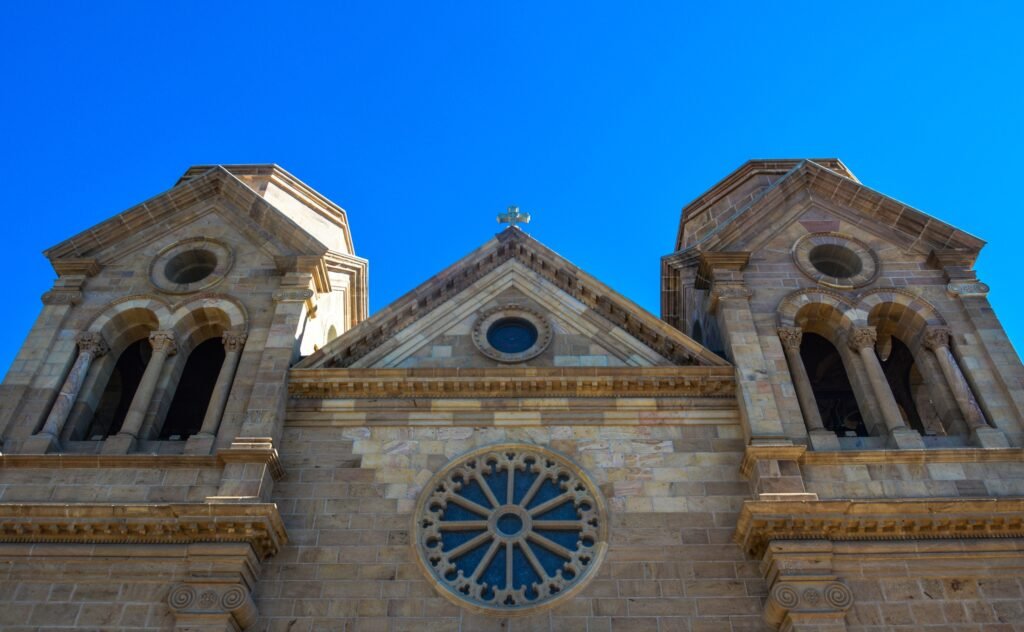
Saint Francis Basilica is more than just a beautiful church. It is the final resting place of Saint Francis of Assisi, one of Christianity’s most beloved saints and the founder of the Franciscan Order.
Visitors come here to experience:
- Stunning medieval architecture
- Extraordinary frescoes by famous Italian artists
- A peaceful spiritual atmosphere
- Rich religious and historical significance
- Spectacular views over the Umbrian countryside
Even if you are not religious, the basilica offers an unforgettable cultural and artistic experience that reflects centuries of European history.
History of Saint Francis Basilica
Construction of the basilica began in 1228, only two years after Saint Francis passed away. Pope Gregory IX ordered its construction to honor Francis and preserve his legacy.
The church was completed surprisingly quickly for its time. Over the centuries, it became one of the world’s most important pilgrimage destinations.
The basilica consists of two churches built on top of one another:
- The Lower Basilica
- The Upper Basilica
Beneath them lies the crypt where Saint Francis is buried.
The entire complex represents the simplicity, humility, and spiritual values that Saint Francis preached throughout his life.
UNESCO World Heritage Status
The Basilica of Saint Francis, together with other Franciscan sites in Assisi, became a UNESCO World Heritage Site in 2000.
UNESCO recognized the site because of its:
- Outstanding medieval architecture
- Exceptional artistic heritage
- Historic importance in Christianity
- Influence on European art and culture
Today, the basilica remains one of Italy’s most visited religious monuments.
Exploring the Upper Basilica
The Upper Basilica is bright, spacious, and filled with natural light.
Its most famous attraction is the remarkable series of frescoes illustrating the life of Saint Francis. These paintings transformed religious storytelling by portraying human emotions and everyday life in a realistic way.
Highlights include:
- Beautiful Gothic architecture
- Colorful stained-glass windows
- Large vaulted ceilings
- Famous fresco cycles depicting Saint Francis’ life
Visitors often spend considerable time admiring the artistic details found throughout the church.
Discovering the Lower Basilica
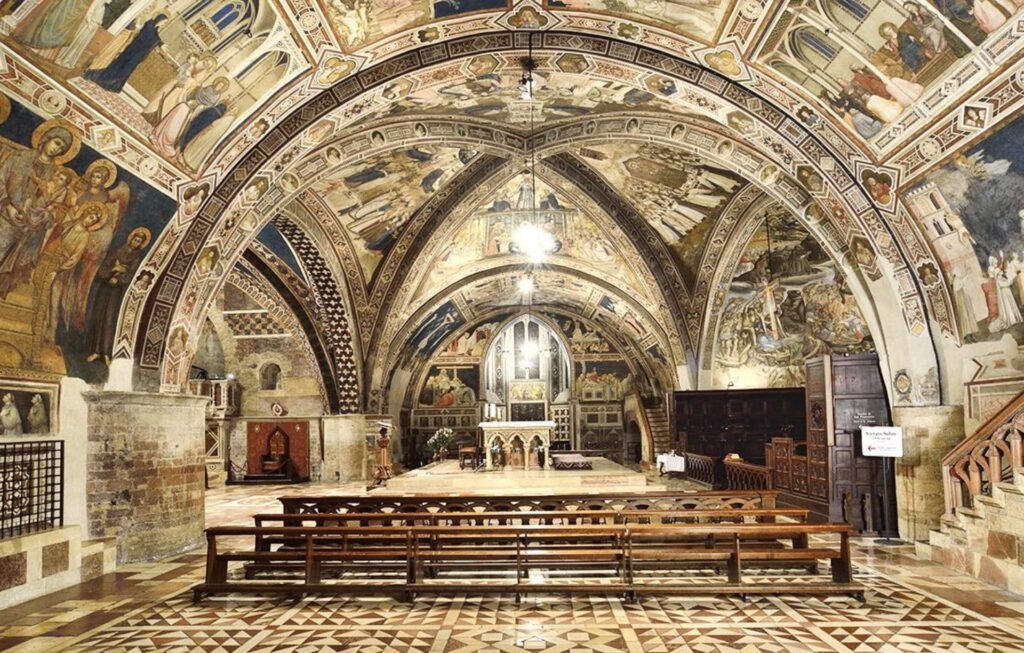
The Lower Basilica offers a completely different atmosphere.
Compared to the bright Upper Basilica, it feels peaceful, intimate, and reflective.
Inside you’ll find:
- Magnificent medieval chapels
- Rich decorative artwork
- Historic frescoes
- Prayer areas
- Access to Saint Francis’ tomb
The lower church encourages quiet reflection and is especially meaningful for pilgrims visiting from around the world.
The Tomb of Saint Francis
Perhaps the most important part of the basilica is the crypt containing the tomb of Saint Francis.
Located beneath the Lower Basilica, this sacred area attracts visitors seeking inspiration and spiritual connection.
The stone tomb is intentionally simple, reflecting Francis’ humble lifestyle.
Many visitors choose to spend a few quiet moments here regardless of their religious background.
Famous Artwork Inside the Basilica
The basilica houses one of Italy’s greatest collections of medieval religious art.
Some of the most notable artistic features include:
- Frescoes depicting the life of Saint Francis
- Biblical scenes
- Decorative chapels
- Medieval religious paintings
- Beautiful Gothic architectural details
Art historians consider these works among the most influential masterpieces of early Italian painting.
Even visitors with limited knowledge of art often find the frescoes impressive because of their vibrant colors and emotional storytelling.
Best Time to Visit Saint Francis Basilica
The basilica is open throughout the year, making it a wonderful destination in every season.
However, certain months provide a more comfortable experience.
Spring
Spring offers mild temperatures, blooming landscapes, and fewer crowds than summer.
Autumn
Autumn is another excellent time to visit. The weather remains pleasant while tourist numbers gradually decrease.
Summer
Summer brings the largest crowds, especially during school holidays. Visiting early in the morning can help you avoid long lines.
Winter
Winter provides the quietest experience. Although temperatures are cooler, the peaceful atmosphere creates a memorable visit.
Opening Hours
Opening hours may vary slightly depending on:
- Religious celebrations
- National holidays
- Seasonal schedules
- Special events
Visitors should always check the latest opening times before traveling.
Entrance Fee
One of the best aspects of visiting Saint Francis Basilica is that general admission is free.
Donations are welcome and help support preservation efforts, maintenance, and ongoing restoration projects.
Some guided tours around Assisi may include additional fees depending on the itinerary.
Dress Code for Visitors
Because the basilica remains an active place of worship, respectful clothing is expected.
Recommended attire includes:
- Shoulders covered
- Modest clothing
- Comfortable walking shoes
- Hats removed inside the church
Avoid wearing clothing that is too revealing, especially during religious services.
Photography Rules
Photography policies may change over time.
Generally:
- Follow posted signs.
- Keep your phone silent.
- Avoid using flash where prohibited.
- Respect worshippers during services.
- Never block walkways while taking photos.
Respecting these guidelines helps preserve both the artwork and the peaceful atmosphere.
How to Reach Saint Francis Basilica
Assisi is located in the beautiful Umbria region of central Italy.
Visitors can reach the basilica by:
By Train
The Assisi railway station connects with several major Italian cities.
From the station, buses and taxis provide easy access to the historic center.
By Car
Driving offers flexibility for travelers exploring Umbria.
Parking is available outside the medieval city walls, with shuttle buses connecting visitors to the center.
By Bus
Regional buses operate regularly between Assisi and nearby towns.
Many travelers also arrive through organized day tours.
Nearby Attractions in Assisi
After visiting the basilica, consider exploring more of Assisi’s historic landmarks.
Popular attractions include:
- Piazza del Comune
- Basilica of Santa Chiara
- Rocca Maggiore
- Roman Temple of Minerva
- Cathedral of San Rufino
- Peaceful medieval streets and local cafés
Many visitors spend an entire day discovering the charm of this historic hill town.
Helpful Visitor Tips
Planning ahead can make your visit more enjoyable.
Here are some practical suggestions:
- Arrive early to avoid crowds.
- Wear comfortable walking shoes.
- Carry a reusable water bottle.
- Allow at least two to three hours for your visit.
- Respect quiet areas used for prayer.
- Read about Saint Francis before arriving for a richer experience.
- Explore both the Upper and Lower Basilica.
- Take time to enjoy the scenic viewpoints around Assisi.
Accessibility Information
The basilica has made efforts to improve accessibility for visitors with mobility needs.
However, because Assisi is an ancient hill town with steep streets and historic structures, some areas may be challenging.
Visitors requiring accessible routes should review current accessibility information before their visit.
Why Saint Francis Basilica Is Worth Visiting
Few places combine history, spirituality, architecture, and art as beautifully as Saint Francis Basilica.
Whether you admire world-class frescoes, appreciate medieval history, or seek a peaceful place for reflection, the basilica offers an enriching experience.
Its welcoming atmosphere appeals to travelers of every background and remains one of Italy’s most treasured cultural destinations.
Frequently Asked Questions
Is Saint Francis Basilica free to visit?
Yes. General admission is free, although donations are appreciated.
How much time should I spend at the basilica?
Most visitors spend between two and three hours exploring both churches and the crypt.
Can tourists attend religious services?
Yes. Visitors are welcome, provided they behave respectfully and follow church guidelines.
Is photography allowed?
Photography rules may vary. Always follow the instructions displayed inside the basilica.
What is the best season to visit?
Spring and autumn are generally considered the most comfortable times because of pleasant weather and moderate visitor numbers.
Conclusion
The Saint Francis Basilica in Assisi is far more than a historic monument. It is a place where art, faith, history, and culture come together in a truly remarkable setting. From the breathtaking frescoes of the Upper Basilica to the peaceful crypt housing Saint Francis’ tomb, every part of the complex tells a meaningful story.
Whether you’re visiting Italy for its cultural heritage, embarking on a spiritual journey, or simply exploring one of the country’s most iconic landmarks, this basilica deserves a place on your itinerary. With thoughtful planning, respectful etiquette, and enough time to appreciate its beauty, your visit to Saint Francis Basilica in Assisi will become one of the most memorable experiences of your travels.

Leave a Reply