

In today’s fast-moving world, many Christians long for a deeper relationship with God beyond hurried prayers and busy schedules. While spoken prayers, worship, and Bible reading remain essential parts of the Christian life, there is also a beautiful tradition of quietly resting in God’s presence. This practice is known as Christian contemplative prayer.
Learning how to practice Christian contemplative prayer is not about emptying your mind or following a complicated spiritual technique. Instead, it is about creating space to become more aware of God’s loving presence, listening with an open heart, and allowing the Holy Spirit to shape your life from within.
For centuries, faithful believers have practiced contemplative prayer to strengthen their faith, find spiritual peace, and grow in intimacy with Christ. Whether you are new to this form of prayer or looking to deepen your spiritual life, this guide will help you understand its biblical foundation, practical steps, and daily benefits.
What Is Christian Contemplative Prayer?
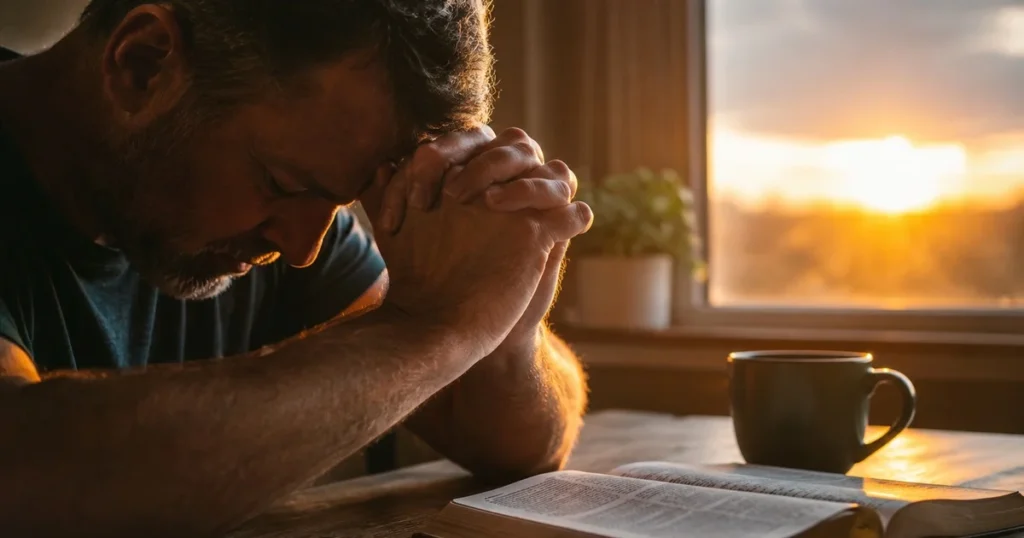
Christian contemplative prayer is a quiet and attentive way of praying that focuses on being present with God rather than speaking many words. It encourages believers to slow down, listen, and rest in God’s love.
Unlike prayers that involve requests, praise, or confession, contemplative prayer emphasizes silent communion with God. It does not replace traditional prayer but complements it by helping believers develop a deeper awareness of God’s presence.
This form of prayer has been practiced throughout Christian history by pastors, monks, missionaries, and ordinary believers who desired a closer walk with Christ.
The Biblical Foundation of Contemplative Prayer
Although the phrase “contemplative prayer” is not directly found in Scripture, the Bible repeatedly encourages believers to be still before God and meditate on His Word.
Several biblical passages support this practice:
- “Be still, and know that I am God.” (Psalm 46:10)
- Jesus often withdrew to lonely places to pray. (Luke 5:16)
- Mary sat quietly at Jesus’ feet, listening to His teaching. (Luke 10:38–42)
- “Meditate on it day and night.” (Joshua 1:8)
- “Let the word of Christ dwell in you richly.” (Colossians 3:16)
These examples show that silence, reflection, and attentive listening have always been valuable parts of a healthy spiritual life.
Why Christians Practice Contemplative Prayer
Many believers discover that contemplative prayer helps them move beyond routine religious activity into a more personal relationship with God.
Some of its benefits include:
- Developing a deeper awareness of God’s presence
- Growing in spiritual maturity
- Strengthening trust in God’s guidance
- Finding peace during stressful seasons
- Improving focus during Bible reading
- Cultivating patience and humility
- Encouraging greater love for others
While every Christian’s experience is unique, contemplative prayer often nurtures a quieter heart that becomes more responsive to God’s leading.
How to Practice Christian Contemplative Prayer

Beginning contemplative prayer does not require special training or perfect conditions. The following steps can help you start.
1. Choose a Quiet Place
Find a peaceful location where you are unlikely to be interrupted.
This could be:
- A quiet room
- A garden
- A church sanctuary
- A comfortable chair by a window
The goal is to reduce distractions so you can focus on God.
2. Begin with a Simple Prayer
Start by inviting God into your time of prayer.
For example:
“Lord, I come before You with an open heart. Help me become aware of Your presence and guide me by Your Holy Spirit.”
A short prayer prepares your heart without requiring many words.
3. Read a Short Bible Passage
Contemplative prayer should remain rooted in Scripture.
Choose a brief passage such as:
- Psalm 23
- John 15
- Matthew 6
- Romans 8
- Philippians 4
Read slowly rather than quickly.
Allow one verse or phrase to capture your attention.
4. Sit Quietly Before God
After reading, remain silent.
You do not need to force thoughts or emotions.
Simply rest in God’s presence with an open heart.
When distractions come, gently return your attention to God without becoming discouraged.
5. Reflect on God’s Word
Ask yourself gentle questions like:
- What does this passage reveal about God?
- What is the Holy Spirit teaching me?
- How can I apply this truth today?
Avoid rushing toward answers.
Reflection often unfolds gradually.
6. Listen with Humility
Listening is one of the most overlooked parts of prayer.
Rather than expecting dramatic experiences, quietly remain open to God’s wisdom through Scripture, conviction, peace, or renewed understanding.
God’s guidance will always agree with biblical truth.
7. End with Thanksgiving
Close your prayer by thanking God for His presence.
Gratitude reminds us that prayer is ultimately about relationship rather than performance.
Helpful Tips for Beginners
If contemplative prayer feels unfamiliar, these simple habits can make it easier.
- Start with 10 minutes each day.
- Turn off unnecessary devices.
- Pray at the same time every day.
- Keep your Bible nearby.
- Use a journal to record insights.
- Don’t worry if your mind wanders.
- Focus on consistency instead of perfection.
Like every spiritual discipline, contemplative prayer becomes more natural with regular practice.
Common Misunderstandings About Contemplative Prayer
Some Christians have questions about contemplative prayer because different traditions describe it differently.
Here are a few important clarifications.
It Is Not Emptying the Mind
Christian contemplative prayer is not about achieving mental emptiness.
Instead, it involves filling our hearts with awareness of God and His Word.
It Does Not Replace Scripture
The Bible remains the foundation of Christian faith.
Authentic contemplative prayer always points believers back to Scripture rather than away from it.
It Is Not a Shortcut to Spiritual Growth
Growing spiritually requires ongoing obedience, worship, fellowship, repentance, and Bible study.
Contemplative prayer supports these practices rather than replacing them.
Creating a Daily Contemplative Prayer Routine
Many believers benefit from having a simple daily rhythm.
Here is one example.
- Spend one minute becoming quiet.
- Pray a brief opening prayer.
- Read a short Bible passage slowly.
- Sit silently for five to ten minutes.
- Reflect on one truth.
- Write one practical application.
- Finish with thanksgiving.
This routine can easily fit into a busy morning or evening schedule.
The Role of Silence in Christian Prayer
Modern life constantly fills our minds with noise.
Phones, emails, social media, and endless responsibilities often leave little room for quiet reflection.
Silence is valuable because it allows believers to focus more intentionally on God.
In silence, we often become more aware of:
- God’s faithfulness
- Areas needing repentance
- New gratitude
- Biblical truth
- Spiritual encouragement
Silence itself is not the goal.
A deeper relationship with God is.
How Contemplative Prayer Strengthens Faith
Consistent contemplative prayer influences everyday Christian living.
Over time, believers often experience:
Greater Peace
Regular quiet time reminds us that God remains in control, even during uncertainty.
Stronger Trust
Spending time in God’s presence builds confidence in His promises.
Better Spiritual Discernment
Meditating on Scripture helps believers recognize God’s wisdom in daily decisions.
Increased Love for Others
A heart transformed by God’s love naturally becomes more compassionate and forgiving.
Consistent Spiritual Growth
Small daily habits often produce lasting spiritual maturity over many years.
Balancing Contemplative Prayer with Other Spiritual Practices
Healthy Christian living includes several spiritual disciplines working together.
Alongside contemplative prayer, continue practicing:
- Daily Bible reading
- Worship
- Church fellowship
- Serving others
- Confession and repentance
- Intercessory prayer
- Gratitude
- Evangelism
These practices support one another and contribute to balanced spiritual growth.
Practical Challenges and How to Overcome Them
Many beginners face similar obstacles.
A Busy Schedule
Start with five minutes instead of waiting for a perfect opportunity.
Small, consistent habits are often more effective than occasional long sessions.
Wandering Thoughts
Distractions are normal.
Simply return your attention to Scripture or your prayer without frustration.
Feeling Spiritually Dry
Not every prayer time will feel emotionally powerful.
Faithfulness matters more than feelings.
Continue seeking God consistently.
Unrealistic Expectations
Contemplative prayer is about faithfully meeting with God, not pursuing extraordinary experiences.
Trust that God works through ordinary moments of quiet faithfulness.
Encouraging Bible Passages for Contemplative Prayer
These passages are excellent starting points for quiet reflection.
- Psalm 23
- Psalm 46
- Psalm 63
- Isaiah 40
- Matthew 5
- John 15
- Romans 8
- Philippians 4
- Colossians 3
- Hebrews 12
Reading one short passage each day allows God’s Word to shape both heart and mind.
Conclusion
Learning how to practice Christian contemplative prayer is an invitation to slow down and intentionally spend time with God. It is not about mastering a technique or seeking unusual spiritual experiences. Instead, it is about quietly opening your heart to God’s presence, meditating on His Word, and allowing the Holy Spirit to transform your life day by day.
As you develop this habit, remember that spiritual growth comes through consistency rather than perfection. Even a few quiet minutes each day can strengthen your faith, deepen your trust in Christ, and help you experience the peace that comes from walking closely with God. By keeping Scripture at the center of your prayer life and approaching God with humility, contemplative prayer can become a meaningful part of your daily relationship with Him for years to come.

Leave a Reply