
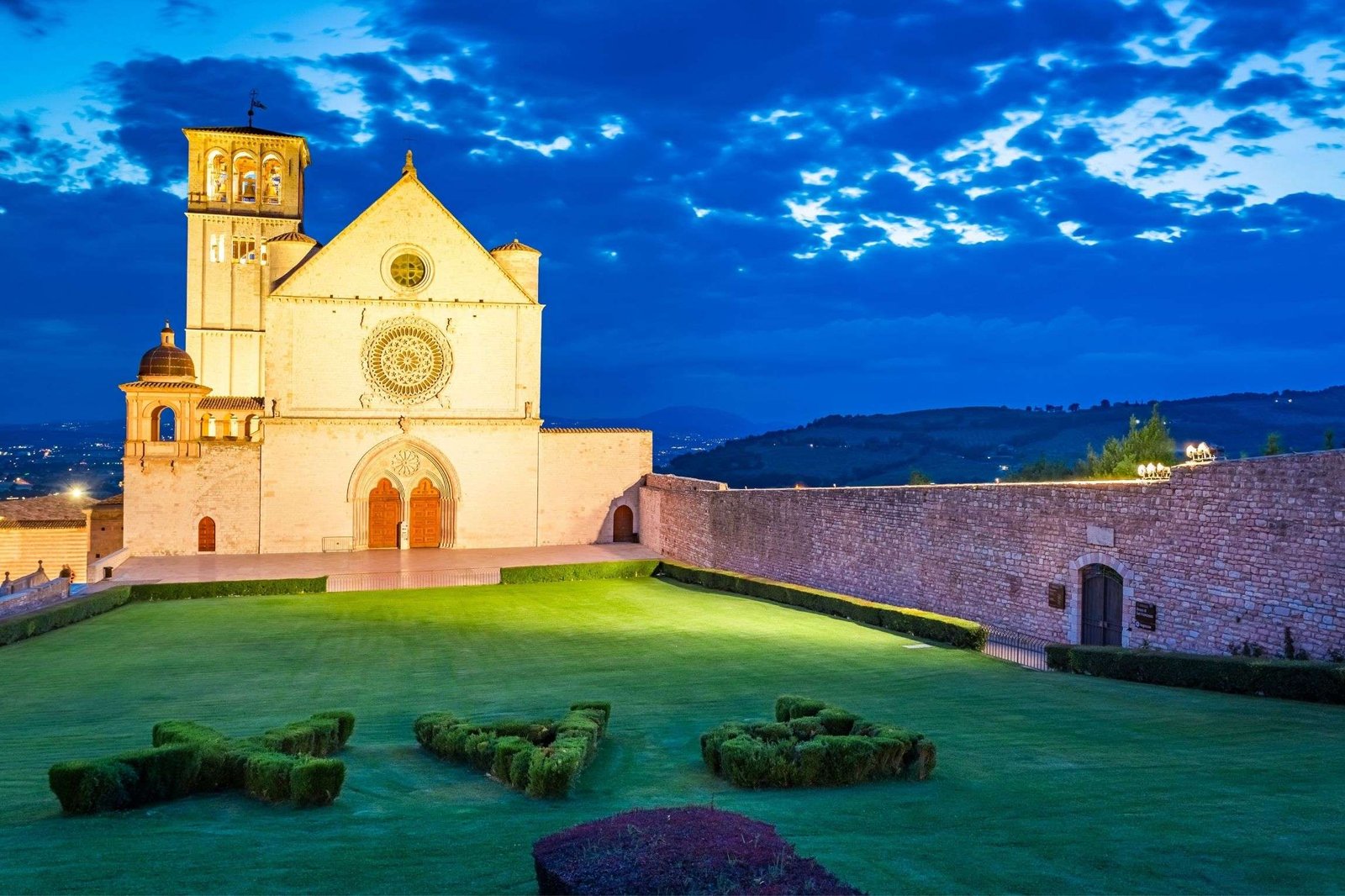
Planning an Assisi pilgrimage is a meaningful journey that combines faith, history, culture, and personal reflection. Located in the heart of Italy’s Umbria region, Assisi is one of the world’s most important Christian pilgrimage destinations. Every year, millions of visitors travel to this peaceful hilltop town to walk in the footsteps of Saint Francis of Assisi and Saint Clare.
Whether you are traveling for spiritual renewal, historical interest, or cultural exploration, careful planning can make your experience more rewarding. From choosing the best travel season to visiting sacred landmarks and understanding local customs, every detail contributes to a memorable pilgrimage.
This complete guide explains everything you need to know about planning an Assisi pilgrimage, helping you prepare for a peaceful and enriching journey.
Why Assisi Is One of the World’s Most Important Pilgrimage Destinations
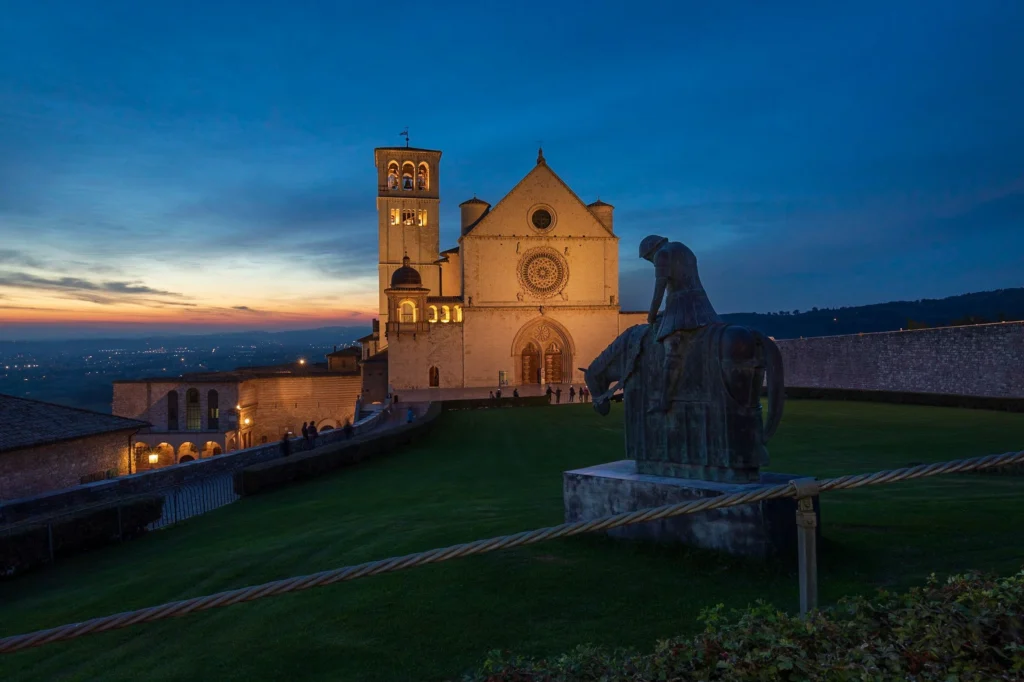
Assisi has welcomed pilgrims for centuries because it is the birthplace of Saint Francis, one of Christianity’s most beloved saints. His message of humility, peace, compassion, and respect for creation continues to inspire people from every part of the world.
The town also honors Saint Clare, founder of the Poor Clares, whose life of devotion and simplicity attracts countless visitors.
Today, Assisi offers far more than historical monuments. Visitors experience:
- Peaceful churches and monasteries
- Ancient medieval streets
- Beautiful countryside views
- Quiet places for prayer and meditation
- Rich Christian history
- A welcoming atmosphere for pilgrims and tourists alike
Many travelers describe Assisi as a destination where history and spirituality naturally come together.
Best Time to Plan an Assisi Pilgrimage
Choosing the right season can improve your overall experience.
Spring (March to May)
Spring is one of the best times to visit Assisi. The weather is pleasant, flowers bloom throughout the town, and walking becomes comfortable.
Advantages include:
- Mild temperatures
- Beautiful landscapes
- Moderate visitor numbers
- Excellent photography opportunities
Summer (June to August)
Summer brings warm weather and longer daylight hours. It is also the busiest travel season.
Pros include:
- Extended sightseeing hours
- Numerous religious events
- Lively atmosphere
However, expect larger crowds and higher accommodation prices.
Autumn (September to November)
Many experienced travelers prefer autumn because of its comfortable temperatures and quieter streets.
Benefits include:
- Fewer tourists
- Pleasant weather
- Scenic countryside
- Relaxed sightseeing
Winter (December to February)
Winter offers a peaceful environment for prayer and reflection.
Although temperatures are cooler, visitors enjoy:
- Lower hotel rates
- Smaller crowds
- Christmas celebrations
- A calm spiritual atmosphere
How to Reach Assisi
Traveling to Assisi is relatively straightforward.
By Air
International travelers usually arrive through nearby airports before continuing by train or car.
By Train
Italy’s railway system connects Assisi with major cities such as:
- Rome
- Florence
- Milan
- Venice
The train station is located below the historic town, with buses and taxis available to reach the city center.
By Car
Driving offers flexibility, especially if you wish to explore the surrounding Umbria region.
Road conditions are generally good, and several parking areas are available outside the old town.
Sacred Places You Should Visit During Your Assisi Pilgrimage
No pilgrimage to Assisi is complete without visiting its most important religious landmarks.
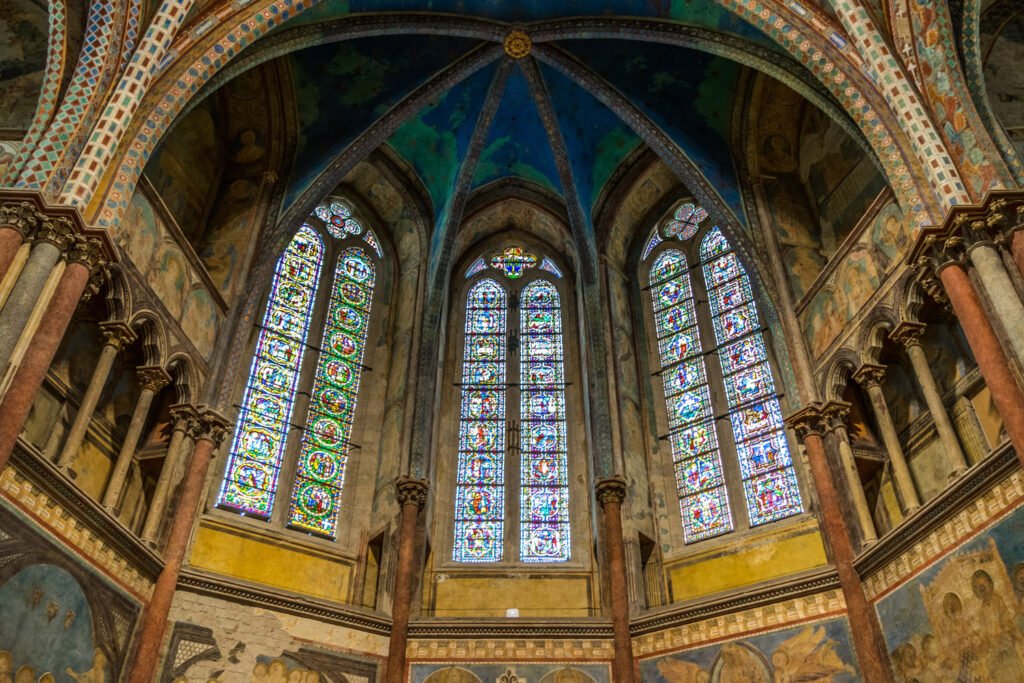
Basilica of Saint Francis
This UNESCO World Heritage Site is the spiritual heart of Assisi.
Highlights include:
- The tomb of Saint Francis
- Remarkable frescoes
- Peaceful prayer spaces
- Historic architecture
Many pilgrims spend several hours here reflecting and attending services.
Basilica of Saint Clare
Dedicated to Saint Clare, this church preserves her remains and offers a peaceful setting for prayer.
Visitors also admire:
- Historic artwork
- Religious relics
- Beautiful architecture
Cathedral of San Rufino
This cathedral is significant because both Saint Francis and Saint Clare were baptized here.
Its Romanesque design and historical importance make it a worthwhile stop.
Eremo delle Carceri
Located on Mount Subasio, this quiet hermitage was one of Saint Francis’s favorite places for prayer.
Walking through the surrounding forest creates a peaceful experience that many pilgrims remember long after their visit.
Basilica of Santa Maria degli Angeli
Located just outside Assisi, this impressive basilica houses the tiny Porziuncola Chapel, where Saint Francis founded the Franciscan movement.
It is considered one of the holiest places connected to his life.
How Many Days Should You Spend in Assisi?
The ideal length depends on your travel goals.
One-Day Visit
Perfect for travelers with limited time.
You can comfortably visit:
- Basilica of Saint Francis
- Basilica of Saint Clare
- Main town square
- Historic streets
Two-Day Pilgrimage
This allows a more relaxed pace and additional time for:
- Prayer
- Museums
- Local restaurants
- Evening walks
Three or More Days
A longer stay provides opportunities to:
- Attend religious services
- Join guided pilgrimages
- Visit nearby monasteries
- Explore surrounding villages
- Enjoy moments of personal reflection
Where to Stay During Your Assisi Pilgrimage
Accommodation options suit various budgets.
Common choices include:
Pilgrim Houses
Many religious guesthouses provide:
- Quiet surroundings
- Affordable prices
- Simple rooms
- Spiritual atmosphere
Hotels
Hotels range from budget-friendly properties to luxury accommodations with modern amenities.
Bed and Breakfasts
Local family-run accommodations often provide:
- Personalized hospitality
- Traditional Italian breakfasts
- Helpful local recommendations
Booking early is recommended during major religious celebrations.
Planning Your Daily Pilgrimage Schedule
A balanced itinerary helps you enjoy both sightseeing and spiritual reflection.
A typical day may include:
- Morning prayer or Mass
- Visit to major basilicas
- Lunch at a local restaurant
- Afternoon exploration of historical sites
- Quiet reflection or meditation
- Evening walk through the medieval streets
Avoid trying to visit every attraction in a single day. Allow yourself time to appreciate the peaceful atmosphere.
What to Pack for an Assisi Pilgrimage
Comfort and practicality are important.
Essential items include:
- Comfortable walking shoes
- Modest clothing for churches
- Light jacket
- Water bottle
- Travel documents
- Phone charger
- Small backpack
- Notebook or journal
- Umbrella during rainy seasons
- Personal medications
Many streets in Assisi are steep and paved with stone, making supportive footwear especially important.
Respecting Local Customs and Religious Traditions
Assisi remains an active place of worship.
Visitors should observe respectful behavior by:
- Dressing modestly inside churches
- Speaking quietly
- Turning mobile phones to silent mode
- Following photography rules
- Respecting prayer services
These simple actions help preserve the peaceful atmosphere that pilgrims value.
Budgeting for Your Assisi Pilgrimage
Travel costs vary depending on your style of travel.
Major expenses include:
- Flights
- Train tickets
- Accommodation
- Meals
- Local transportation
- Souvenirs
- Optional guided tours
Ways to save money include:
- Booking flights early
- Traveling during the shoulder season
- Using public transportation
- Staying in pilgrim accommodations
- Eating at local cafés instead of tourist restaurants
Careful budgeting allows you to focus more on the pilgrimage experience.
Helpful Tips for First-Time Pilgrims
If this is your first visit to Assisi, these practical suggestions can improve your journey.
- Book accommodation in advance.
- Arrive early at popular sites.
- Wear comfortable walking shoes.
- Carry cash for small purchases.
- Learn a few basic Italian greetings.
- Stay hydrated during warmer months.
- Allow quiet time for reflection.
- Respect local traditions.
- Keep your itinerary flexible.
- Take time to appreciate the peaceful surroundings rather than rushing through attractions.
Small preparations often make a significant difference during your pilgrimage.
Why an Assisi Pilgrimage Is a Meaningful Experience
An Assisi pilgrimage offers much more than sightseeing. Visitors leave with a deeper appreciation of faith, history, compassion, and simplicity.
Walking through centuries-old streets, visiting sacred churches, and spending quiet moments in prayer or reflection create memories that often remain meaningful for years.
Even travelers who come primarily for history or architecture frequently discover a sense of peace that makes Assisi unique among Italy’s historic destinations.
Conclusion
Planning an Assisi pilgrimage becomes much easier when you prepare your itinerary in advance. Choosing the right season, arranging transportation, selecting suitable accommodation, and visiting the town’s most important religious landmarks all contribute to a fulfilling journey.
Whether your goal is spiritual renewal, historical exploration, or simply experiencing one of Italy’s most inspiring towns, Assisi offers something truly special. By allowing enough time to explore at a comfortable pace and respecting the town’s sacred traditions, your pilgrimage can become a memorable and enriching experience that stays with you long after you return home.

Leave a Reply