
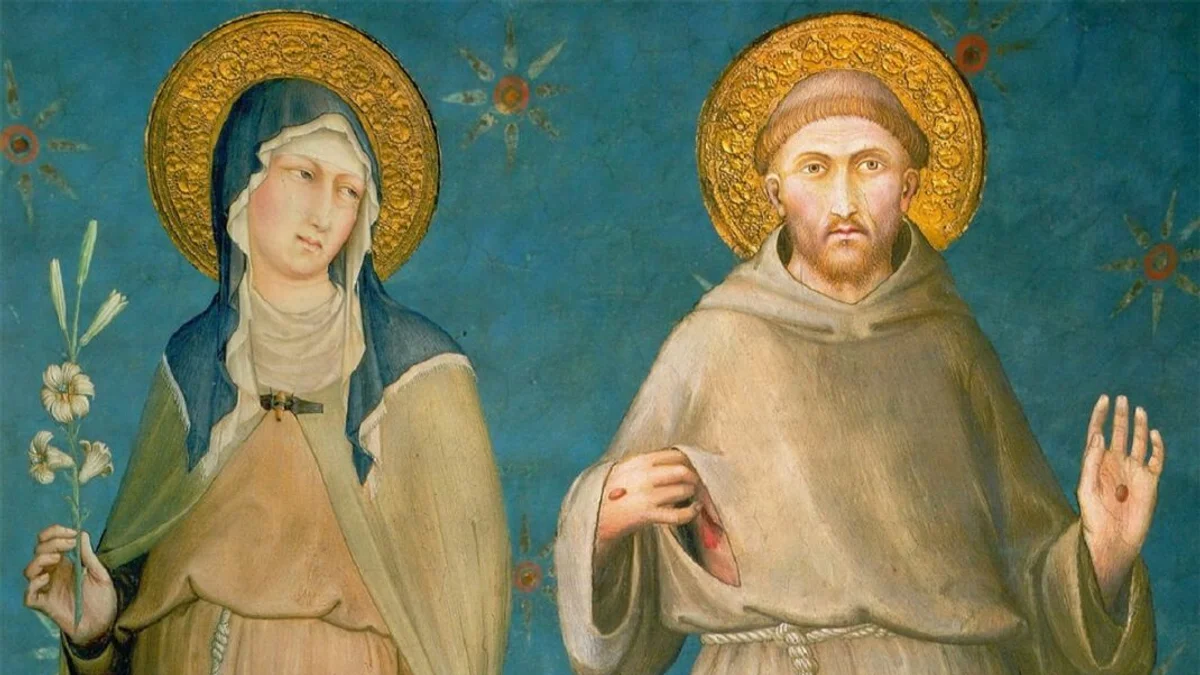
Saint Francis of Assisi and Saint Clare of Assisi are two of the most admired figures in Christian history. Their friendship, shared faith, and dedication to God changed the spiritual life of the Church and continue to inspire millions of people around the world. Although they worked toward the same goal of serving Christ, their lives, responsibilities, and spiritual missions were different in many important ways.
Many people assume they lived identical lives because both embraced poverty, humility, and prayer. However, understanding the difference between Saint Francis and Saint Clare helps us appreciate how God can call different people to serve Him through unique vocations while sharing the same values.
This guide explores their backgrounds, missions, leadership roles, spiritual practices, and lasting legacy. Whether you are studying Christian history, preparing for a pilgrimage to Assisi, or simply seeking inspiration, this article offers a clear and balanced comparison.
Who Were Saint Francis and Saint Clare?
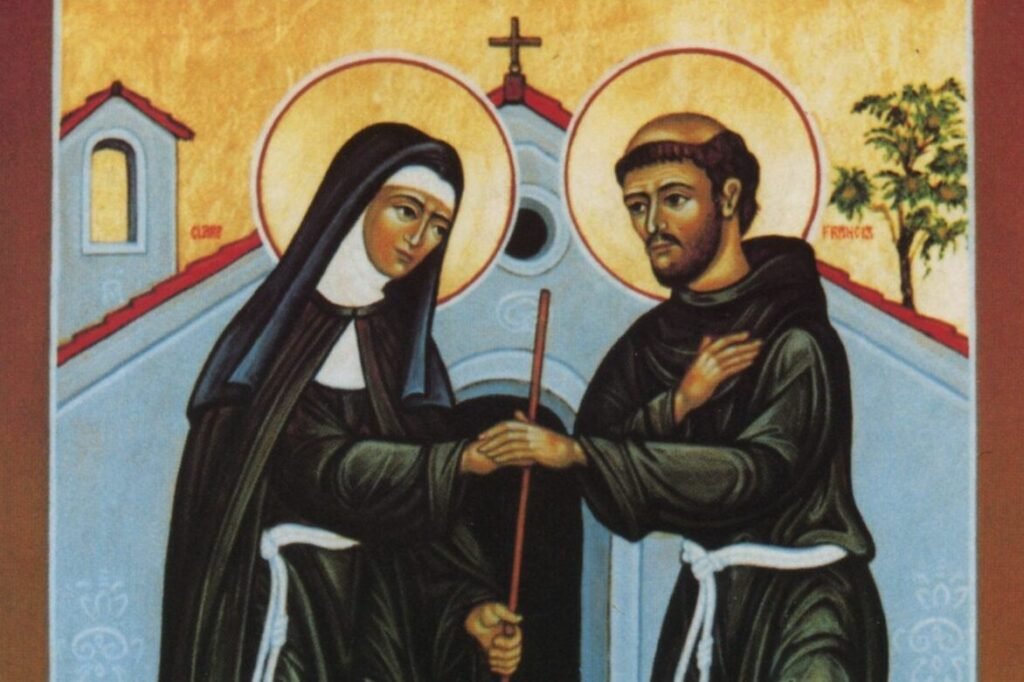
Saint Francis and Saint Clare lived during the early thirteenth century in Assisi, Italy. Their lives became closely connected through a shared desire to follow Jesus Christ with complete devotion.
Saint Francis was born into a wealthy merchant family but chose to leave behind wealth and social status after a profound spiritual conversion. He became known for preaching peace, humility, simplicity, and love for all creation.
Saint Clare also came from a noble family. Inspired by Francis’s preaching, she left her privileged lifestyle to dedicate herself entirely to God. She later founded a religious community for women that became known as the Poor Clares.
Although their paths often crossed, each had a distinct mission that shaped Christian spirituality in different ways.
Their Different Backgrounds
Understanding their early lives helps explain how their missions developed.
Saint Francis’s Early Life
Francis was born around 1181 or 1182. As a young man, he enjoyed fine clothing, celebrations, and dreams of becoming a knight. A series of personal experiences, including illness and prayer, transformed his heart. He realized that true happiness came from serving God rather than pursuing wealth.
He eventually gave away everything he owned and embraced a life of complete poverty.
Saint Clare’s Early Life
Clare was born in 1194 into one of Assisi’s respected noble families. Unlike Francis, she was known for her quiet personality and deep devotion from an early age. She often prayed, fasted, and cared for people in need before joining Francis’s movement.
At eighteen, Clare secretly left her family home to dedicate her life entirely to Christ.
Difference in Their Calling
Although both saints followed Christ wholeheartedly, their callings were different.
Saint Francis: A Traveling Preacher
Francis believed God called him to preach repentance, peace, forgiveness, and the Gospel wherever people gathered.
His ministry included:
- Traveling throughout Italy
- Preaching in towns and villages
- Serving people affected by poverty
- Caring for those with illnesses
- Encouraging reconciliation between communities
- Living among ordinary people
He founded the Order of Friars Minor, commonly known as the Franciscans.
Saint Clare: A Contemplative Leader
Clare’s mission focused on prayer, worship, and community life.
Instead of traveling widely, she remained mostly at the Monastery of San Damiano near Assisi. There she guided women seeking a life dedicated to Christ.
Her responsibilities included:
- Leading a religious community
- Teaching spiritual discipline
- Encouraging constant prayer
- Caring for fellow sisters
- Preserving Franciscan ideals for women
Her leadership demonstrated that deep prayer can transform both individuals and society.
Their Different Roles in the Church
One of the biggest differences between Saint Francis and Saint Clare lies in their leadership roles.
Francis founded a movement for men that later expanded worldwide. His followers became missionaries, teachers, caregivers, and servants to the poor.
Clare established the women’s branch inspired by Franciscan spirituality. Her community became known as the Order of Poor Clares, which continues to serve the Church through prayer and contemplative life.
While Francis spread the message through public ministry, Clare strengthened it through faithful community leadership.
How They Practiced Poverty

Poverty stood at the center of both their lives, but each practiced it differently.
Saint Francis’s Approach
Francis wanted complete dependence on God.
He and his followers:
- Owned almost nothing
- Traveled without wealth
- Worked when possible
- Accepted simple food
- Served people regardless of status
His lifestyle reflected freedom from material possessions.
Saint Clare’s Approach
Clare also embraced radical poverty but within the structure of a monastery.
She insisted that her sisters:
- Own no personal property
- Live simply
- Pray together daily
- Share resources equally
- Depend on God’s providence
Her commitment to poverty remained firm throughout her life, even when others suggested relaxing the rules.
Their Spiritual Focus
Although they shared many beliefs, each emphasized different aspects of Christian spirituality.
Saint Francis Focused On
- Joy in following Christ
- Love for nature
- Serving the poor
- Peace among people
- Evangelization
- Humility
He viewed every creature as part of God’s creation and encouraged gratitude for the natural world.
Saint Clare Focused On
- Silent prayer
- Eucharistic devotion
- Community life
- Spiritual perseverance
- Humility
- Trust in God’s care
Her writings encourage believers to keep their attention fixed on Christ regardless of life’s challenges.
Leadership Style Comparison
Francis inspired people through movement and action.
He walked from village to village, preached openly, and built relationships with people from every social background.
Clare inspired through stability and example.
She remained faithful to one community for decades, showing that quiet leadership can have lasting influence.
Both leadership styles remain valuable for Christians today.
Their Relationship
One of the most beautiful aspects of their story is their friendship.
Francis became Clare’s spiritual mentor, while Clare became one of his strongest supporters.
Their relationship was based on:
- Mutual respect
- Shared faith
- Spiritual encouragement
- Trust
- Service to God
Historical accounts show no evidence of a romantic relationship. Instead, they shared a deep spiritual friendship centered entirely on Christ.
Their partnership demonstrates how men and women can work together respectfully in serving God.
Writings and Legacy
Another important difference involves their literary contributions.
Saint Francis
Francis wrote:
- Prayers
- Letters
- Rules for his religious order
- Hymns of praise
His most famous prayer traditions and writings continue inspiring Christians worldwide.
Saint Clare
Clare left behind:
- Letters
- Spiritual reflections
- Her Rule for the Poor Clares
She became the first woman known to write a Rule for a religious order that received papal approval.
These writings continue guiding religious communities today.
Miracles Associated with Each Saint
Both saints are remembered for events that strengthened the faith of many believers.
Stories connected with Saint Francis include:
- His peaceful relationship with animals
- Healing through prayer
- Receiving the stigmata
- Inspiring dramatic personal conversions
Stories connected with Saint Clare include:
- Protecting her monastery through prayer
- Extraordinary trust in God’s providence
- Deep devotion during Eucharistic prayer
- Inspiring many women to embrace religious life
These accounts highlight the spiritual influence each saint had during their lifetime.
Major Differences Between Saint Francis and Saint Clare
The following comparison summarizes their unique roles.
| Saint Francis | Saint Clare |
|---|---|
| Founder of the Franciscans | Founder of the Poor Clares |
| Traveling preacher | Monastic leader |
| Public ministry | Contemplative ministry |
| Focused on evangelization | Focused on prayer and community |
| Ministered across many regions | Served mainly from San Damiano |
| Inspired both men and women | Guided women religious |
Despite these differences, both remained united by their love for Christ.
Similarities Between Saint Francis and Saint Clare
Their shared values explain why they continue to be remembered together.
Both saints:
- Loved Jesus above everything else
- Chose voluntary poverty
- Practiced humility
- Served others with compassion
- Lived lives of prayer
- Trusted God’s providence
- Inspired lasting religious communities
- Continue influencing Christians around the world
Their example reminds believers that different gifts can serve the same purpose.
Why Their Story Still Matters Today
Modern society often values success through wealth, recognition, and influence. Saint Francis and Saint Clare offer a different perspective.
They teach that genuine fulfillment comes through faith, generosity, humility, and service.
Their example encourages people to:
- Live with greater simplicity.
- Care for those in need.
- Build peaceful relationships.
- Develop a stronger prayer life.
- Use personal gifts to serve others.
- Find joy beyond material possessions.
Whether someone is called to active service or quiet prayer, their lives show that every vocation has value when centered on God.
Conclusion
Understanding the difference between Saint Francis and Saint Clare reveals two remarkable lives united by one purpose. Francis carried the Gospel into towns, villages, and among ordinary people through preaching, compassion, and joyful service. Clare strengthened the same mission through prayer, faithful leadership, and unwavering commitment to a life of simplicity.
Their friendship demonstrates that different callings can work together to build a stronger faith community. Francis reminds us to share God’s love boldly through action, while Clare teaches the power of steadfast prayer and quiet devotion.
Centuries later, their influence remains alive through the Franciscan and Poor Clare communities, their writings, and the countless people inspired by their example. Their lives continue to encourage believers to seek humility, peace, generosity, and a closer relationship with God, proving that lasting greatness is found in faithful service rather than worldly success.

Leave a Reply