
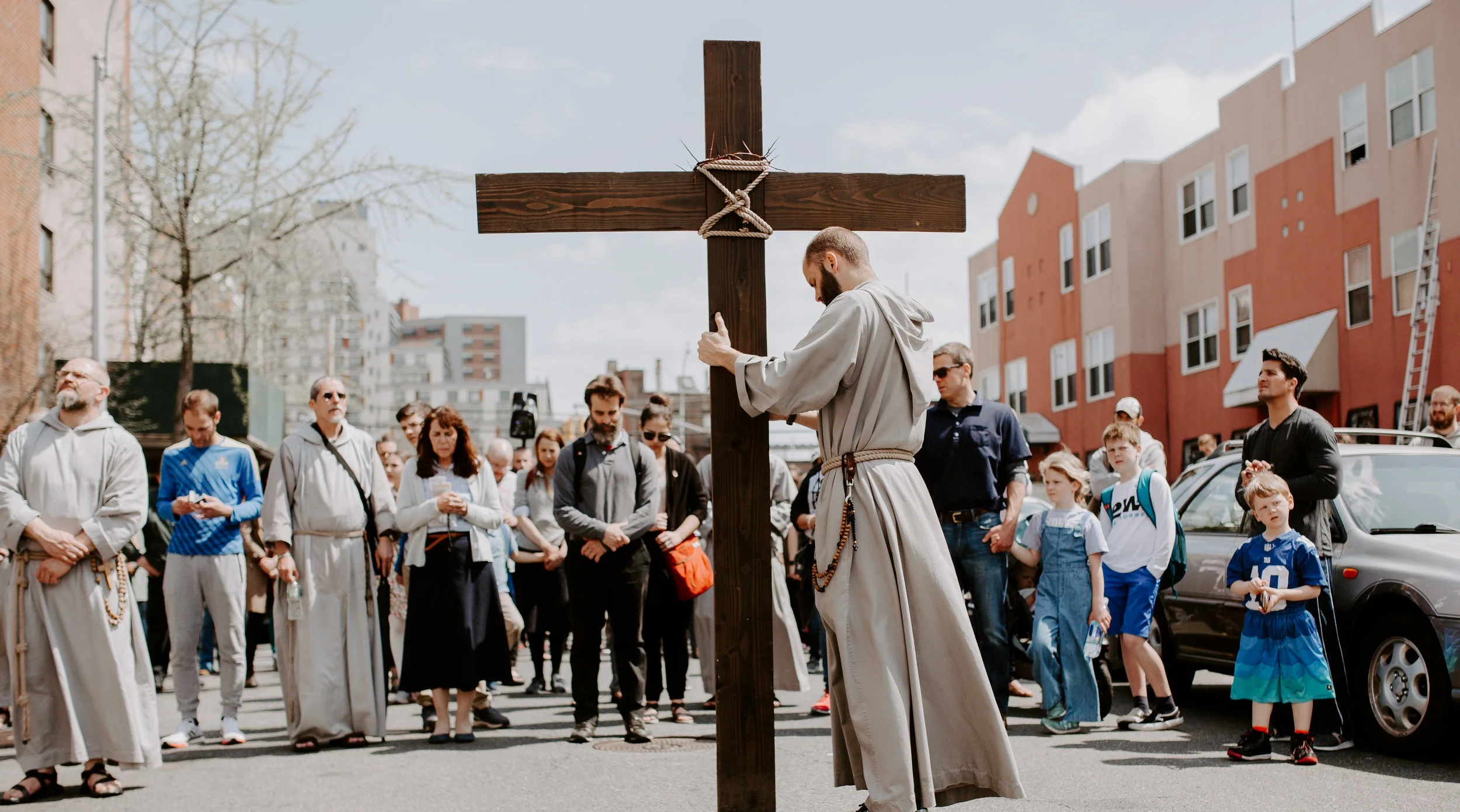
The Franciscan way of life is more than a religious tradition—it is a practical approach to living with humility, compassion, simplicity, and joy. Inspired by the life and teachings of Saint Francis of Assisi, this spiritual path has influenced millions of people for more than 800 years. While it began within Christianity, many of its values continue to inspire people from different cultures and backgrounds.
At its heart, the Franciscan lifestyle encourages individuals to love God, care for others, respect creation, and live with gratitude instead of materialism. Rather than seeking wealth or status, Franciscans focus on serving people in need, building peaceful relationships, and appreciating the beauty of everyday life.
Whether you are curious about Franciscan spirituality, studying Christian traditions, or simply looking for timeless life lessons, understanding the Franciscan way of life offers valuable insights into living with purpose and kindness.
Understanding the Franciscan Way of Life

The Franciscan way of life follows the example set by Saint Francis of Assisi in the early 13th century. He believed that true happiness comes not from possessions but from a close relationship with God, genuine love for others, and respect for all living things.
Franciscans strive to imitate Christ through humility, prayer, service, and joyful simplicity. They believe every person has dignity and that all creation reflects God’s goodness.
Today, the Franciscan family includes priests, brothers, sisters, and lay people who share these same values while living in different communities around the world.
The Origins of the Franciscan Tradition
Saint Francis of Assisi was born into a wealthy family in Italy around 1181 or 1182. As a young man, he enjoyed comfort and social status. However, after a profound spiritual transformation, he chose to leave behind his wealth and dedicate his life to serving God and helping the poor.
His message attracted many followers who wanted to embrace a life centered on faith, simplicity, and charity. Over time, this movement became known as the Franciscan Order.
The Franciscan tradition continues today through several branches, including:
- The Order of Friars Minor
- The Order of Saint Clare (Poor Clares)
- The Secular Franciscan Order
- Various Franciscan religious communities serving worldwide
Although each community has unique responsibilities, they all share the same spiritual foundation established by Saint Francis.
Core Principles of the Franciscan Way of Life
Living with Simplicity
One of the defining characteristics of the Franciscan way of life is simplicity.
Simplicity does not necessarily mean giving away everything you own. Instead, it means avoiding unnecessary attachment to material possessions and focusing on what truly matters.
Franciscans seek to:
- Live modestly
- Practice contentment
- Use resources responsibly
- Avoid excessive consumerism
- Appreciate everyday blessings
This mindset encourages freedom from constant comparison and material pressure.
Humility in Daily Life
Humility stands at the center of Franciscan spirituality.
Saint Francis believed that every person is equal before God. Rather than seeking recognition or power, Franciscans strive to serve others with kindness and respect.
Humility can be practiced by:
- Listening carefully to others
- Admitting mistakes
- Serving without expecting praise
- Treating everyone with dignity
- Remaining grateful for life’s blessings
These simple actions help create stronger relationships and peaceful communities.
Love for All Creation
Perhaps one of Saint Francis’ most well-known teachings is his love for nature.
He viewed animals, plants, rivers, mountains, and even the sun and moon as gifts worthy of respect and care. Because of this, Saint Francis is often associated with environmental stewardship.
Modern Franciscans encourage people to:
- Protect the environment
- Reduce unnecessary waste
- Care for animals responsibly
- Appreciate natural beauty
- Practice sustainable living whenever possible
This respect for creation remains highly relevant in today’s world.
Compassion and Service
Helping those in need is another essential part of the Franciscan lifestyle.
Service is not viewed as an obligation but as an expression of love.
Franciscans often dedicate themselves to:
- Caring for the poor
- Visiting the sick
- Supporting education
- Offering spiritual guidance
- Helping marginalized communities
- Participating in charitable outreach
Many Franciscan ministries around the world continue these works through hospitals, schools, shelters, and humanitarian organizations.
The Importance of Prayer
Prayer is the foundation that supports every aspect of Franciscan life.
Rather than separating prayer from daily activities, Franciscans believe every moment can become an opportunity to connect with God.
Their spiritual practices often include:
- Daily personal prayer
- Reading Scripture
- Community worship
- Silent reflection
- Gratitude
- Praise through creation
Prayer provides guidance, strength, and peace throughout life’s challenges.
Joy as a Way of Living
Unlike the misconception that religious life is serious or restrictive, Saint Francis emphasized joy.
He believed genuine joy comes from:
- Trusting God
- Serving others
- Living honestly
- Appreciating simple moments
- Remaining hopeful during difficulties
This joyful attitude helps Franciscans face hardships with faith rather than discouragement.
Community and Brotherhood
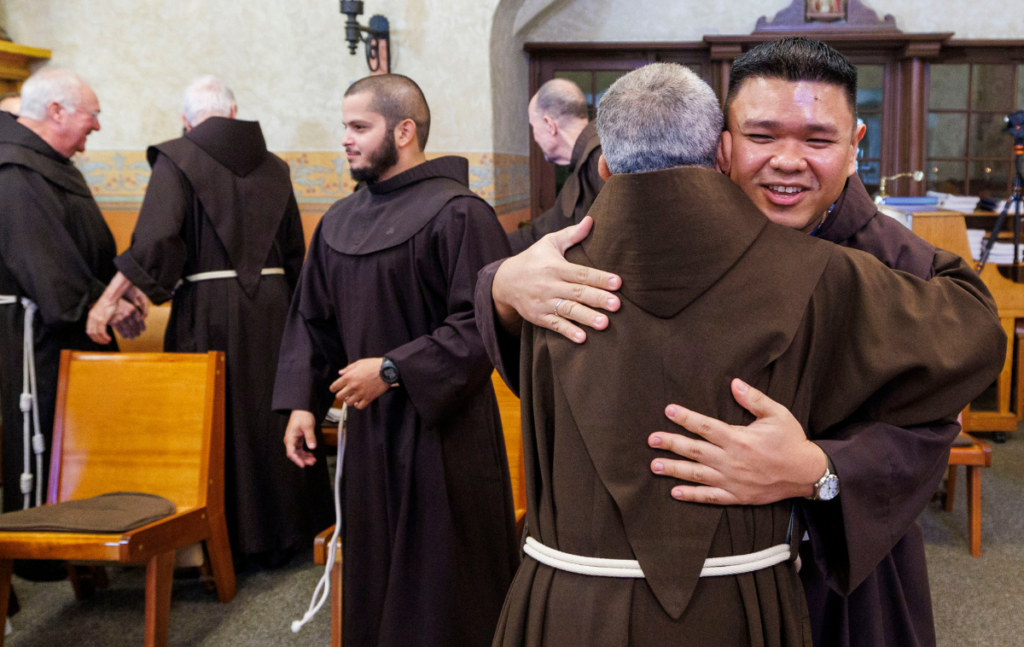
The Franciscan way of life places strong importance on community.
Franciscans view one another as brothers and sisters who support each other’s spiritual growth.
Healthy communities are built through:
- Mutual respect
- Shared responsibilities
- Honest communication
- Forgiveness
- Hospitality
- Cooperation
These values strengthen both religious communities and everyday family life.
Poverty in the Franciscan Tradition
The word “poverty” often causes misunderstanding.
For Franciscans, poverty primarily refers to freedom from attachment rather than forced deprivation.
This spiritual poverty encourages believers to:
- Depend on God
- Share generously
- Avoid greed
- Live responsibly
- Place relationships above possessions
Many lay Franciscans maintain regular careers and families while still embracing these principles through simple living and generous service.
Following Christ Through Everyday Actions
The Franciscan way of life focuses on practical faith rather than abstract ideas.
Daily actions often include:
- Speaking kindly
- Forgiving quickly
- Helping neighbors
- Respecting creation
- Giving generously
- Practicing gratitude
- Living honestly
- Seeking peace during conflicts
These ordinary choices gradually shape a meaningful and faith-filled life.
The Franciscan Way of Life in the Modern World
Although the Franciscan movement began more than eight centuries ago, its message remains surprisingly relevant.
Modern society often experiences:
- Stress
- Consumerism
- Environmental concerns
- Social division
- Loneliness
Franciscan values offer practical responses to these challenges.
Choosing simplicity can reduce unnecessary stress.
Practicing compassion strengthens communities.
Respecting nature supports environmental responsibility.
Living with gratitude improves emotional well-being.
Serving others creates lasting purpose.
These timeless principles continue inspiring people across generations.
Can Ordinary People Follow the Franciscan Way of Life?
Absolutely.
You do not need to become a monk, nun, or religious brother to embrace Franciscan values.
Anyone can begin by making small daily choices such as:
- Spending time in prayer or quiet reflection
- Helping someone in need
- Reducing unnecessary spending
- Caring for nature
- Practicing forgiveness
- Volunteering in the local community
- Living with gratitude
- Choosing kindness over conflict
These habits reflect the heart of Franciscan spirituality regardless of one’s profession or background.
Common Misconceptions About the Franciscan Way of Life
Several myths surround the Franciscan tradition.
Myth 1: Franciscans Reject All Possessions
In reality, the focus is on avoiding unhealthy attachment to material wealth rather than rejecting every possession.
Myth 2: The Franciscan Lifestyle Is Only for Religious Leaders
Many lay people live according to Franciscan principles while raising families and working in various professions.
Myth 3: Franciscan Spirituality Is Outdated
Its emphasis on simplicity, peace, compassion, and environmental care remains highly relevant today.
Myth 4: Franciscan Life Means Constant Sacrifice Without Joy
Saint Francis repeatedly emphasized joy, gratitude, hope, and celebrating God’s gifts.
Why the Franciscan Way of Life Continues to Inspire People
People continue embracing Franciscan spirituality because its values address universal human needs.
Its emphasis on:
- Compassion
- Simplicity
- Peace
- Service
- Gratitude
- Respect for creation
- Humility
- Community
offers a meaningful alternative to lives dominated by busyness and material success.
Whether someone is deeply religious or simply interested in timeless wisdom, these principles provide practical guidance for living with greater purpose and kindness.
Conclusion
The Franciscan way of life is built on timeless values that encourage people to live with humility, compassion, simplicity, and joy. Inspired by Saint Francis of Assisi, this spiritual tradition reminds us that true fulfillment comes not from wealth or recognition but from loving God, serving others, caring for creation, and appreciating life’s everyday blessings.
More than 800 years after it began, the Franciscan tradition continues to inspire individuals and communities around the world. Its teachings remain relevant in a modern society seeking peace, purpose, and meaningful relationships. Whether practiced within a religious community or applied through everyday acts of kindness and gratitude, the Franciscan way of life offers a lasting example of how simple choices can lead to a richer and more compassionate life.
Frequently Asked Questions
1. What is the Franciscan way of life?
The Franciscan way of life is a Christian spiritual path inspired by Saint Francis of Assisi that emphasizes simplicity, humility, prayer, compassion, service, and care for creation.
2. Who can follow the Franciscan way of life?
Anyone can embrace Franciscan values. While some join religious communities, many lay people practice these principles in their daily family, work, and community life.
3. Why is simplicity important in Franciscan spirituality?
Simplicity helps people focus on relationships, faith, and service instead of becoming overly attached to material possessions.
4. How do Franciscans care for the environment?
Franciscans believe nature is a gift from God. They encourage responsible stewardship by protecting natural resources, reducing waste, and respecting all living creatures.
5. Is the Franciscan way of life still relevant today?
Yes. Its teachings on compassion, peace, gratitude, environmental care, and simple living continue to address many of today’s personal and social challenges.

Leave a Reply