
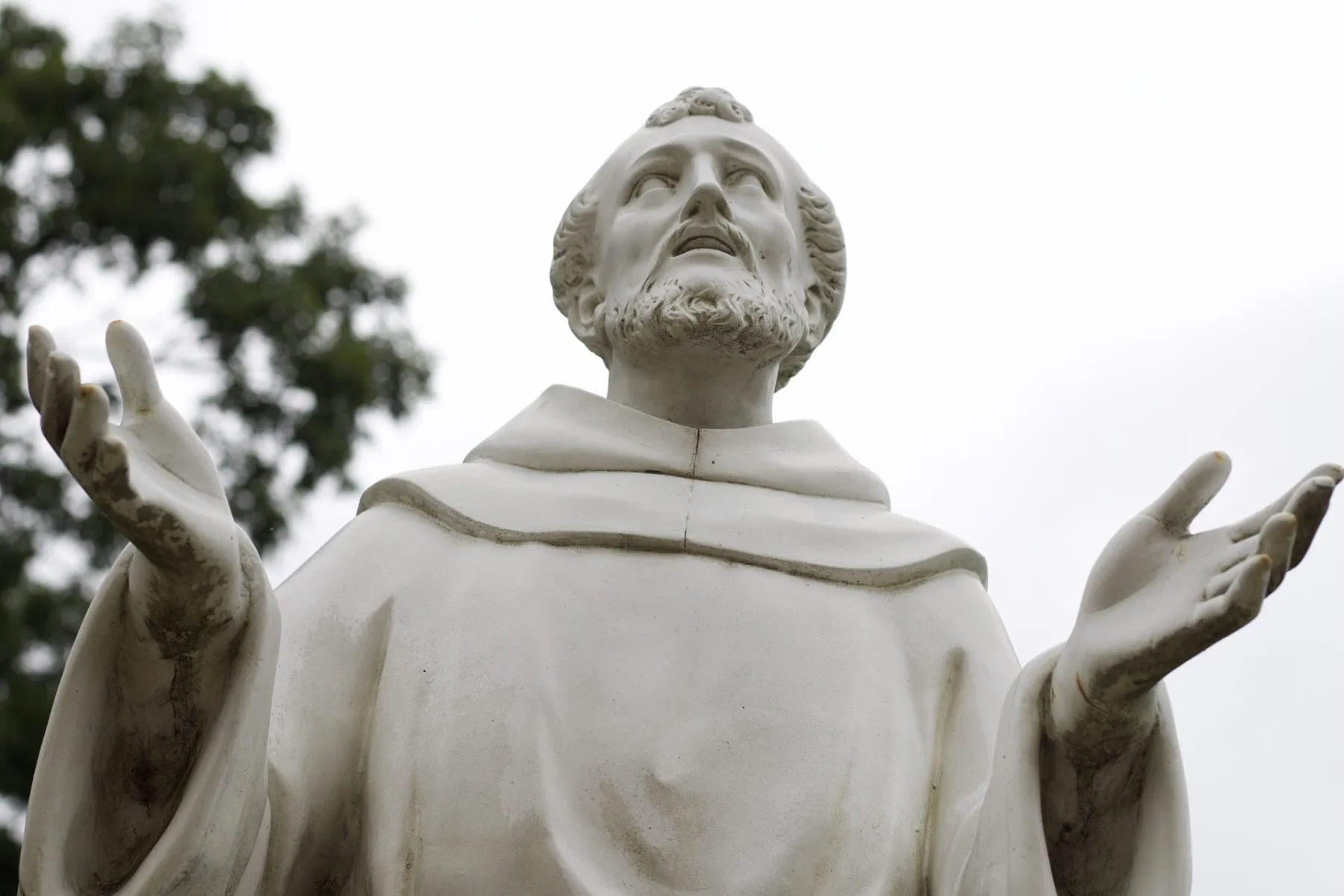
In a world driven by constant consumption, endless distractions, and busy schedules, many people are searching for a simpler and more meaningful way to live. The Franciscan lifestyle offers a timeless path centered on humility, compassion, gratitude, and respect for all creation. Inspired by the life and example of Saint Francis of Assisi, this way of living is not limited to monks or religious communities. It is a practical approach that anyone can embrace, regardless of faith, culture, or background.
Living a Franciscan lifestyle today does not require giving away all your possessions or moving into a monastery. Instead, it means making intentional choices that prioritize kindness over competition, simplicity over excess, and service over self-interest. These values remain as relevant today as they were centuries ago.
This guide explores what the Franciscan lifestyle means in the modern world and provides practical steps you can take to incorporate its principles into your daily life.
What Is a Franciscan Lifestyle?

A Franciscan lifestyle is inspired by the teachings and example of Saint Francis of Assisi, who believed that true happiness comes from living simply, loving generously, caring for others, and respecting all of God’s creation.
The core principles include:
- Living with simplicity
- Practicing humility
- Serving others with compassion
- Caring for nature
- Choosing gratitude over materialism
- Building peaceful relationships
- Strengthening spiritual life through prayer and reflection
Although these values have Christian roots, many of them are universal and can enrich anyone’s daily life.
Why the Franciscan Way Still Matters Today
Modern life often encourages people to seek happiness through possessions, status, or constant achievement. Unfortunately, these pursuits can also lead to stress, anxiety, and dissatisfaction.
The Franciscan lifestyle offers an alternative by encouraging people to focus on what truly matters:
- Healthy relationships
- Inner peace
- Community support
- Generosity
- Mindful living
- Environmental responsibility
These values help create a balanced and meaningful life while positively influencing those around us.
Embrace Simplicity in Everyday Living
One of the defining characteristics of Franciscan living is simplicity. This does not mean living in poverty but rather avoiding unnecessary excess and appreciating what you already have.
Simple living may include:
- Buying only what you truly need
- Decluttering your home regularly
- Avoiding impulsive shopping
- Choosing quality over quantity
- Spending more time on experiences than possessions
Living simply often reduces stress and creates space for what brings genuine joy.
Practical Ways to Practice Simplicity
- Create a monthly spending plan.
- Donate unused clothing and household items.
- Reduce unnecessary subscriptions.
- Limit screen time.
- Spend more time outdoors.
Small changes can gradually transform your lifestyle without feeling overwhelming.
Practice Humility Every Day
Humility is one of the most recognized Franciscan virtues. It means recognizing the value of every person and avoiding pride or arrogance.
Humble living involves:
- Listening before speaking
- Accepting constructive feedback
- Celebrating others’ achievements
- Admitting mistakes
- Remaining open to learning
Humility strengthens relationships and encourages personal growth.
Serve Others Through Acts of Kindness
Franciscan spirituality places great importance on serving others, especially those in need. Service does not always require large donations or organized volunteer work.
Simple acts of kindness can make a meaningful difference.
Examples include:
- Helping a neighbor
- Supporting local charities
- Volunteering in community programs
- Visiting elderly family members
- Donating food or clothing
- Offering encouragement to someone struggling
Serving others creates stronger communities while reminding us that everyone deserves dignity and compassion.
Care for Creation and the Environment
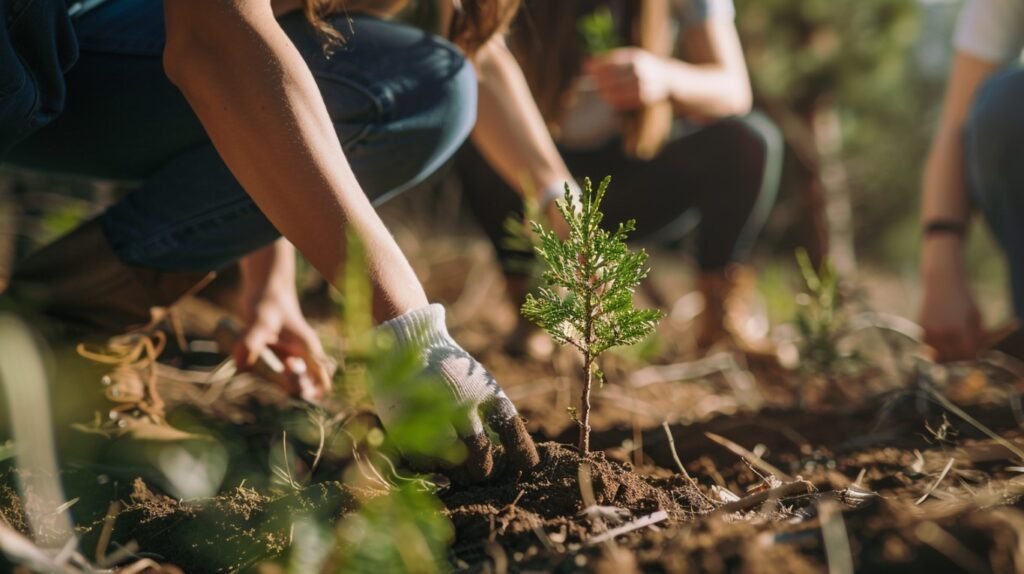
Saint Francis viewed nature as a gift deserving of respect and care. Today, environmental stewardship has become even more important.
Living a Franciscan lifestyle includes protecting the environment through responsible choices.
You can begin by:
- Recycling consistently
- Conserving water
- Reducing plastic waste
- Using reusable shopping bags
- Supporting sustainable products
- Planting trees or flowers
- Walking or cycling when possible
Even small actions contribute to a healthier planet.
Build a Daily Habit of Gratitude
Gratitude shifts attention away from what is missing and toward the blessings already present in life.
Practicing gratitude may include:
- Keeping a gratitude journal
- Saying thank you more often
- Reflecting on positive moments before bedtime
- Appreciating family and friends
- Celebrating small successes
People who regularly practice gratitude often experience greater emotional well-being and stronger relationships.
Develop a Meaningful Prayer and Reflection Routine
For many followers of the Franciscan tradition, prayer forms the foundation of daily life. Whether someone follows a religious tradition or simply enjoys quiet reflection, taking time to pause each day promotes clarity and peace.
You might:
- Begin the day with a short prayer.
- Read inspirational spiritual writings.
- Spend time in silent reflection.
- Meditate for ten minutes.
- Reflect on how you treated others during the day.
Consistency matters more than length.
Choose Peace Instead of Conflict
Saint Francis became known as a peacemaker who encouraged reconciliation rather than division.
Today, this value can be practiced by:
- Speaking respectfully during disagreements
- Avoiding unnecessary arguments online
- Forgiving when possible
- Listening with empathy
- Looking for common ground
Peace often begins with small daily decisions.
Strengthen Your Community Connections
Franciscan living emphasizes community rather than isolation.
Building stronger connections can include:
- Participating in local events
- Supporting neighborhood initiatives
- Spending quality time with family
- Joining volunteer organizations
- Encouraging those facing challenges
Communities become healthier when individuals actively care for one another.
Live With Compassion Toward Everyone
Compassion lies at the heart of Franciscan values.
Showing compassion means:
- Being patient with others
- Helping without expecting rewards
- Respecting different backgrounds
- Offering emotional support
- Treating every person with dignity
Compassion creates trust and encourages understanding across cultures and communities.
Find Joy in Everyday Moments
The Franciscan tradition teaches that joy does not depend on wealth or perfect circumstances.
Simple joys include:
- Watching a sunrise
- Sharing meals with loved ones
- Walking in nature
- Reading a good book
- Laughing with friends
- Helping someone in need
Finding happiness in ordinary experiences leads to greater contentment.
Balance Work, Rest, and Spiritual Growth
A Franciscan lifestyle encourages healthy balance.
Instead of constantly chasing productivity, create space for:
- Family
- Prayer
- Exercise
- Recreation
- Reflection
- Meaningful conversations
Balance supports both physical and emotional well-being.
Common Challenges When Living a Franciscan Lifestyle
Adopting these values is rewarding, but modern life presents certain obstacles.
Common challenges include:
- Consumer culture
- Busy schedules
- Digital distractions
- Financial pressures
- Social comparison
The key is progress rather than perfection. Even small improvements over time reflect meaningful growth.
A Simple Daily Franciscan Lifestyle Routine
Here is an example of how these principles can fit into an ordinary day.
Morning
- Begin with prayer or quiet reflection.
- Express gratitude for three blessings.
- Set one intention to serve someone.
Afternoon
- Perform one act of kindness.
- Practice mindful spending.
- Enjoy time outdoors.
Evening
- Reflect on the day.
- Forgive yourself and others.
- End the day with gratitude.
Consistency is more valuable than complexity.
Benefits of Living a Franciscan Lifestyle
People who embrace Franciscan values often experience positive changes such as:
- Greater inner peace
- Reduced stress
- Stronger relationships
- Increased gratitude
- Better financial habits
- More meaningful community involvement
- Greater appreciation for nature
- Improved emotional well-being
- A stronger sense of purpose
These benefits develop gradually through everyday choices rather than dramatic life changes.
Conclusion
Living a Franciscan lifestyle today is about far more than following historical traditions. It is a practical way to cultivate simplicity, compassion, gratitude, humility, and care for both people and the natural world. These timeless principles continue to offer guidance in an increasingly fast-paced and complex society.
You do not need to transform your life overnight. Every small decision—whether choosing kindness, simplifying your possessions, helping a neighbor, or spending time in quiet reflection—moves you closer to a more peaceful and purposeful life. By embracing these values consistently, anyone can experience the lasting wisdom of the Franciscan way while making a positive difference in their family, community, and the world.
Frequently Asked Questions
1. What is a Franciscan lifestyle?
A Franciscan lifestyle is a way of living inspired by Saint Francis of Assisi that emphasizes simplicity, humility, compassion, service to others, gratitude, and care for nature.
2. Can anyone live a Franciscan lifestyle?
Yes. While it originates from Christian spirituality, many Franciscan values such as kindness, generosity, simplicity, and environmental care are universal and can be practiced by anyone.
3. Do I have to give up all my possessions?
No. Franciscan living encourages responsible and simple use of resources rather than complete poverty. The focus is on avoiding unnecessary excess and appreciating what you have.
4. How can I start living a Franciscan lifestyle today?
Begin with small steps like practicing gratitude, helping others, simplifying your daily routine, reducing unnecessary spending, and spending time in reflection or prayer.
5. Why is caring for nature important in the Franciscan tradition?
Saint Francis believed that creation is a precious gift that deserves respect and protection. Caring for the environment reflects gratitude, responsibility, and love for future generations.

Leave a Reply