
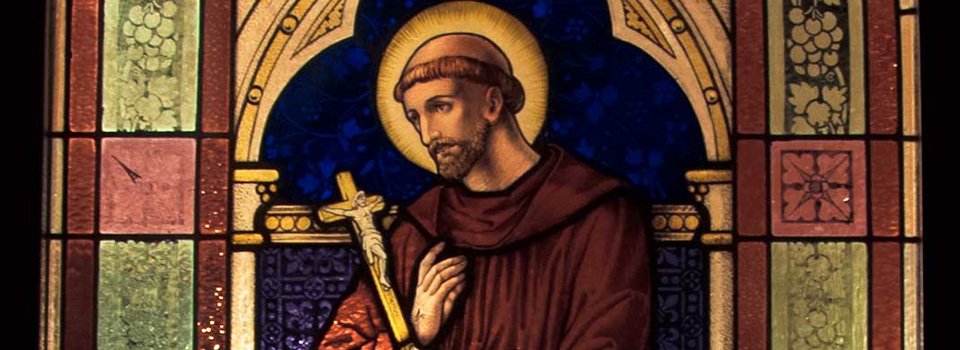
The History of the Franciscan Order is one of the most inspiring stories in Christian history. What began as a small movement led by a humble Italian preacher grew into one of the world’s most influential religious communities. Built on the values of poverty, compassion, simplicity, and service, the Franciscan Order has shaped spiritual life, education, charity, and missionary work for more than 800 years.
Founded during the early 13th century, the Franciscans introduced a fresh way of living the Christian faith. Instead of seeking wealth or political influence, they chose a life centered on helping others, caring for creation, and following the example of Jesus with humility. Their message quickly spread across Europe and later reached every continent.
Today, the Franciscan family includes priests, brothers, sisters, and lay members who continue to serve communities through education, healthcare, social work, environmental care, and pastoral ministry.
In this guide, you’ll discover the complete history of the Franciscan Order, its origins, major milestones, global expansion, challenges, and lasting impact on the world.
The Origins of the Franciscan Order
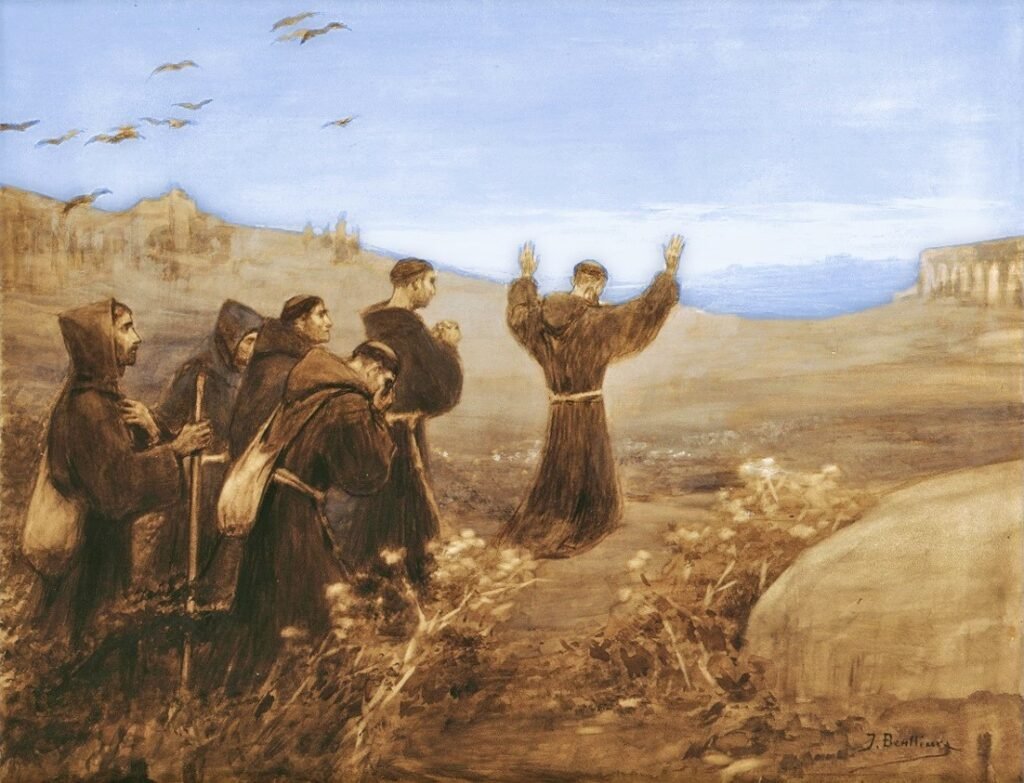
The Franciscan Order traces its roots to Saint Francis of Assisi, who was born in Assisi, Italy, around 1181 or 1182. Francis grew up in a wealthy merchant family and enjoyed a comfortable lifestyle during his youth. However, after experiencing illness, imprisonment during war, and a profound spiritual awakening, his priorities changed dramatically.
He chose to leave behind wealth and social status to live among the poor. Inspired by the teachings of Jesus, Francis embraced voluntary poverty and encouraged others to do the same.
His growing group of companions formed the foundation of what would later become the Franciscan Order. Their mission was simple:
- Live according to the Gospel.
- Serve the poor and marginalized.
- Preach peace and reconciliation.
- Trust in God’s providence.
- Care for all of creation.
This radical yet compassionate lifestyle attracted many followers from different backgrounds.
Official Recognition by the Church
In 1209, Francis traveled to Rome with several companions to seek approval for their way of life. Pope Innocent III granted verbal approval for the new religious community after recognizing the sincerity of their mission.
This approval allowed the group to preach publicly while following a simple rule of life centered on humility and poverty.
The official recognition marked an important turning point because it transformed a small spiritual movement into an established religious order within the Catholic Church.
As membership continued to grow rapidly, additional guidelines were developed to help organize the expanding community while preserving Francis’s original vision.
The Values That Defined the Franciscan Movement
Unlike many religious communities of the time, the Franciscans focused less on owning property and more on living among ordinary people.
Their core values included:
- Simplicity
- Humility
- Poverty
- Compassion
- Peace
- Joy
- Service
- Respect for nature
These principles helped distinguish the Franciscans from many other medieval religious communities.
Francis believed every person deserved dignity regardless of wealth, education, or social position. His teachings encouraged kindness toward everyone, including strangers, the sick, and those living in poverty.
The Growth of the Franciscan Order Across Europe
The popularity of the Franciscan movement spread rapidly during the 13th century.
Young men from Italy, France, Germany, Spain, England, and other regions joined the order. Within only a few decades, Franciscan communities had been established throughout Europe.
Several factors contributed to this remarkable growth:
- Their simple lifestyle inspired ordinary people.
- They preached in local languages instead of only Latin.
- They served poor communities directly.
- They traveled frequently instead of remaining inside monasteries.
- Their message emphasized hope and compassion.
Unlike traditional monks who often lived in isolated monasteries, Franciscan friars became active members of towns and cities.
Their presence made spiritual guidance more accessible to everyday people.
The Three Main Branches of the Franciscan Family
As the movement expanded, different branches developed while sharing the same spiritual foundation.
First Order
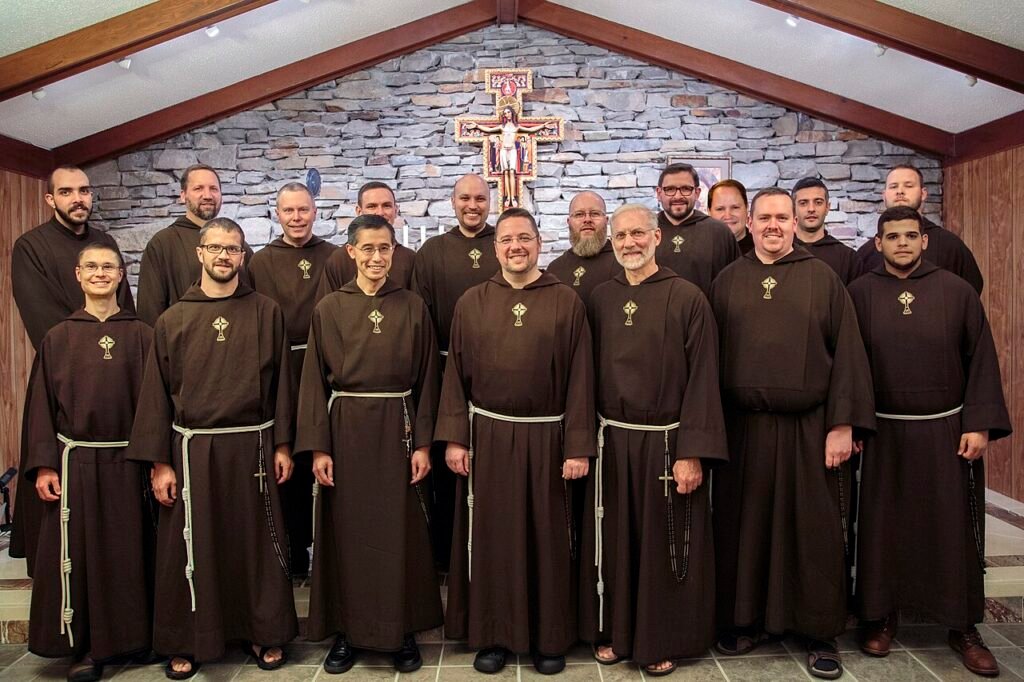
The First Order includes Franciscan friars who dedicate their lives to ministry, preaching, education, and missionary work.
This branch later developed into several communities, including:
- Order of Friars Minor
- Conventual Franciscans
- Capuchin Franciscans
Each follows the teachings of Saint Francis while serving different pastoral needs.
Second Order
The Second Order was founded with the help of Saint Clare of Assisi, one of Francis’s earliest followers.
Known today as the Poor Clares, these women live contemplative lives devoted to prayer, simplicity, and community.
Although they usually remain within monasteries, their spiritual influence has extended worldwide.
Third Order
Not everyone could leave family responsibilities to become a friar or nun.
To meet this need, Francis established the Third Order for laypeople who wished to follow Franciscan spirituality while remaining in everyday life.
Today, millions of lay Franciscans continue this tradition around the world.
Franciscan Missionary Work Around the World
One of the defining chapters in the history of the Franciscan Order is its missionary outreach.
Beginning in the 13th century, Franciscan friars traveled far beyond Europe to share their faith and provide practical assistance.
They established missions across:
- Asia
- Africa
- North America
- South America
- Central America
- The Middle East
Their work often included:
- Building schools
- Caring for the sick
- Teaching local communities
- Translating religious texts
- Promoting peace
- Supporting agriculture
- Preserving local languages
Many Franciscan missionaries became respected scholars, educators, and community leaders.
Franciscan Contributions to Education
Education has always played an important role in Franciscan history.
Many friars pursued advanced learning while remaining committed to humility and service.
Franciscans established:
- Schools
- Colleges
- Universities
- Libraries
- Seminaries
They believed education should strengthen both faith and reason.
Throughout history, Franciscan scholars made important contributions in philosophy, theology, science, literature, and ethics.
Several universities founded or influenced by Franciscans continue serving students today.
Influence on Art and Culture
The Franciscan movement deeply influenced medieval and Renaissance culture.
Artists found inspiration in Francis’s love for nature, humanity, and simplicity.
Common artistic themes include:
- The Nativity
- Care for animals
- Service to the poor
- The life of Saint Francis
- Peace and forgiveness
Churches, paintings, sculptures, music, and literature throughout Europe reflect Franciscan spirituality.
These works continue inspiring visitors and scholars centuries later.
Franciscan Care for Nature
One of Saint Francis’s most enduring teachings is respect for creation.
He viewed nature as a gift that reflects God’s goodness.
Franciscans have long encouraged responsible stewardship of:
- Forests
- Wildlife
- Water
- Agriculture
- Natural resources
Modern environmental movements often recognize Saint Francis as an important historical figure promoting harmony between humanity and nature.
This message remains highly relevant today.
Challenges Throughout History
Like many long-standing institutions, the Franciscan Order has experienced periods of difficulty.
Some historical challenges included:
- Rapid expansion
- Internal disagreements over poverty
- Political conflicts
- Religious reforms
- Wars
- Economic changes
Despite these obstacles, the order repeatedly renewed its commitment to Francis’s original ideals.
Reforms introduced throughout history helped preserve the movement while adapting to changing societies.
The Franciscan Order in the Modern World
Today, the Franciscan Order remains active in more than 100 countries.
Franciscans continue serving people through diverse ministries, including:
- Education
- Healthcare
- Disaster relief
- Parish ministry
- Youth programs
- Social justice initiatives
- Environmental conservation
- Humanitarian assistance
Modern Franciscans combine ancient spiritual traditions with practical service to contemporary communities.
Many also engage in interfaith dialogue and peace-building efforts.
Why the Franciscan Order Still Matters Today
More than eight centuries after its founding, Franciscan values remain meaningful across cultures.
People continue to admire the Franciscan emphasis on:
- Humility instead of pride
- Service instead of status
- Compassion instead of judgment
- Simplicity instead of excess
- Peace instead of conflict
- Care for creation instead of exploitation
These timeless principles appeal not only to Catholics but also to many people seeking lives of greater purpose and responsibility.
The Franciscan tradition demonstrates that lasting influence often comes through quiet acts of kindness rather than power or wealth.
Lasting Legacy of Saint Francis
The legacy of Saint Francis extends far beyond the religious communities that bear his name.
His teachings have influenced:
- Christian spirituality
- Charity organizations
- Education
- Environmental awareness
- Peace movements
- Art and literature
- Community service
Churches, schools, hospitals, and charitable organizations inspired by Francis continue serving millions of people worldwide.
His example reminds future generations that compassion, humility, and generosity can create lasting positive change.
Conclusion
The History of the Franciscan Order is a remarkable journey that began with one man’s commitment to living a simple life of faith and service. From its humble beginnings in medieval Italy, the order grew into a worldwide community dedicated to helping others, promoting peace, advancing education, and caring for creation.
For more than 800 years, Franciscan values have remained relevant because they address universal human needs—kindness, humility, compassion, and hope. Whether through missionary work, charitable outreach, schools, hospitals, or environmental stewardship, the Franciscan Order continues to make a meaningful difference around the world.
Understanding its history offers valuable insight into one of Christianity’s most influential religious traditions and highlights how a life devoted to service can leave a lasting legacy across generations.
FAQ
1. Who founded the Franciscan Order?
The Franciscan Order was founded by Saint Francis of Assisi in the early 13th century after his spiritual conversion and commitment to living a life of poverty and service.
2. When was the Franciscan Order officially recognized?
The order received papal approval in 1209 from Pope Innocent III, allowing Francis and his companions to begin their ministry officially.
3. What are the main values of the Franciscan Order?
The Franciscan Order emphasizes humility, poverty, compassion, peace, service to others, and care for creation.
4. What are the three branches of the Franciscan family?
The Franciscan family includes the First Order (friars), the Second Order (Poor Clares), and the Third Order (lay Franciscans).
5. Why is the Franciscan Order important today?
The order continues its global mission through education, healthcare, humanitarian work, environmental stewardship, and pastoral ministry while promoting the timeless values of peace, simplicity, and compassion.
Leave a Reply