
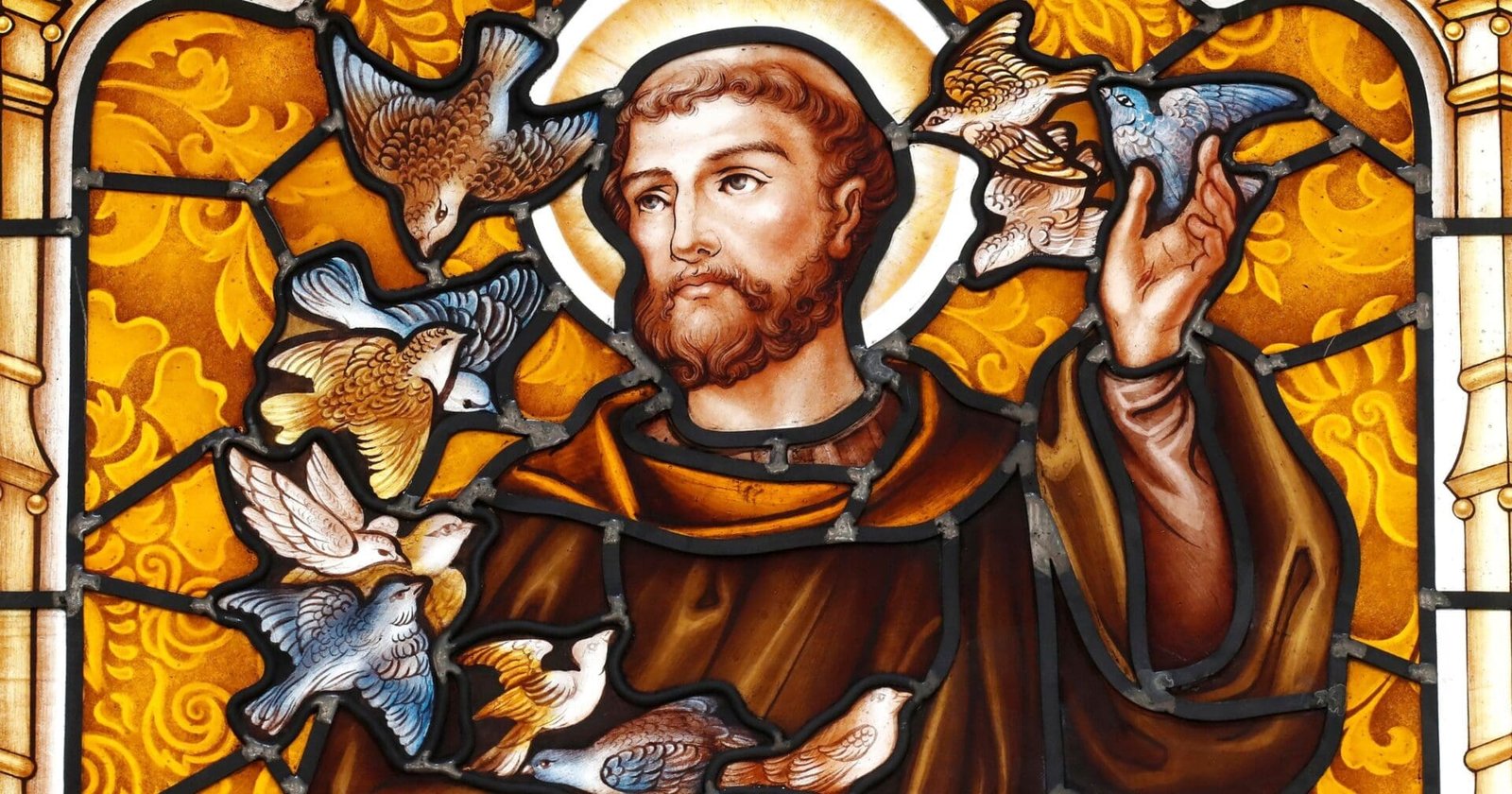
Saint Francis of Assisi is remembered as one of history’s most admired religious figures. Known for his humility, compassion, and deep respect for nature, he inspired a movement that continues to influence millions of people worldwide. His life story is not just about faith—it is also about kindness, service, simplicity, and finding purpose beyond material wealth.
Even centuries after his death, people from different cultures and beliefs continue to admire his teachings. Whether you are interested in history, religion, or personal inspiration, learning about Saint Francis of Assisi offers valuable lessons that remain relevant today.
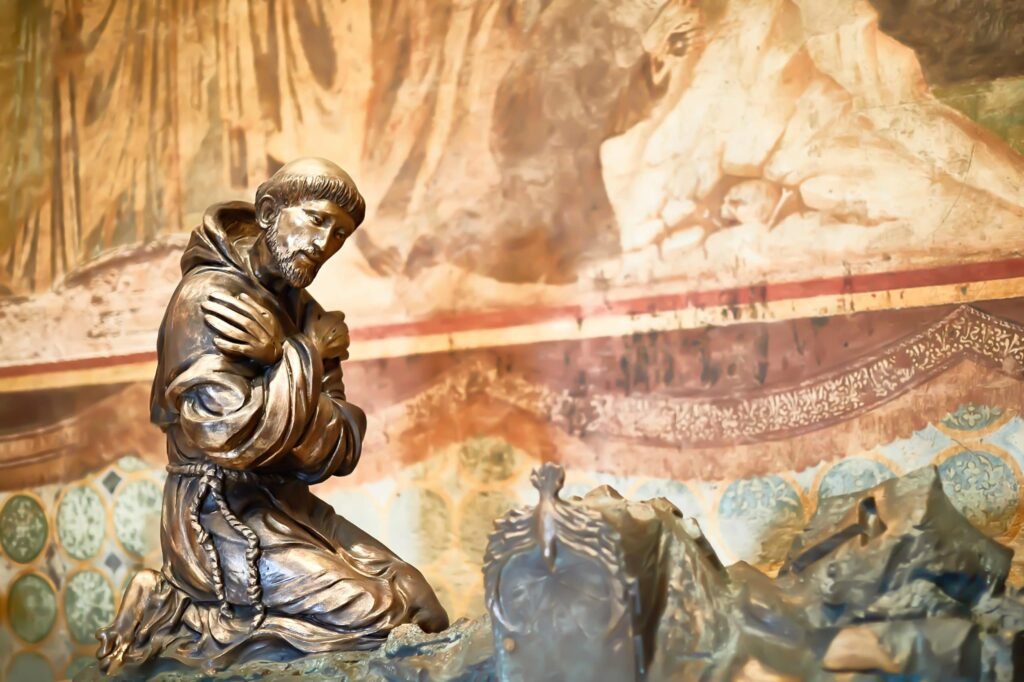
Who Was Saint Francis of Assisi?
Saint Francis of Assisi was an Italian religious leader born in 1181 or 1182 in the town of Assisi, Italy. He founded the Franciscan Order, a religious community dedicated to living a life of poverty, service, and devotion to God.
Unlike many influential figures of his time, Francis chose to leave behind a comfortable lifestyle to help the poor and care for those in need. His simple way of living and genuine compassion made him one of Christianity’s most respected saints.
Today, he is widely recognized as the patron saint of animals, nature, and the environment.
Early Life of Saint Francis
Francis was born into a wealthy merchant family. His father, Pietro di Bernardone, was a successful cloth trader, while his mother, Pica, came from a respected French family.
As a young man, Francis enjoyed many of the comforts that wealth provided. He loved fine clothing, celebrations, music, and social gatherings. Like many young nobles of his era, he dreamed of becoming a famous knight.
However, his life took an unexpected turn after experiencing war and imprisonment during a conflict between Assisi and Perugia. These events caused him to question his purpose and the meaning of true happiness.
The Turning Point in His Life
After returning home, Francis gradually changed his priorities. He spent more time in prayer, helping the poor, and reflecting on his future.
One famous moment occurred while praying in a small church called San Damiano. According to historical tradition, Francis believed he heard Christ telling him to “repair my church.” At first, he understood this literally and began restoring damaged churches with his own hands.
Eventually, he realized the message had a deeper meaning—helping renew people’s faith through humility, compassion, and service.
This experience marked the beginning of his spiritual journey.
Choosing a Life of Simplicity
One of the most remarkable aspects of Saint Francis’ life was his decision to give up his family’s wealth.
He publicly renounced his inheritance and chose to live with almost no possessions. Instead of pursuing comfort or status, he devoted himself to serving others.
His daily life included:
- Caring for the poor
- Helping sick individuals
- Repairing churches
- Spending time in prayer
- Traveling to share messages of peace
- Living with humility
His example inspired many followers who wanted to adopt the same simple lifestyle.
The Founding of the Franciscan Order
As more people admired Francis’ example, they asked to join him.
Around 1209, Francis established what became known as the Franciscan Order. Members promised to live according to values that included:
- Simplicity
- Humility
- Charity
- Service
- Obedience
- Compassion
Unlike many religious communities of that period, the Franciscans lived among ordinary people instead of remaining isolated.
Their mission focused on helping communities through kindness, teaching, and practical support.
Today, the Franciscan Order remains active in many countries.
Saint Francis and His Love for Nature
Perhaps no aspect of Francis’ legacy is more widely known than his deep appreciation for nature.
He believed that every part of creation reflected beauty and deserved respect. Birds, animals, trees, rivers, mountains, and even the sun and moon held special meaning in his spiritual outlook.
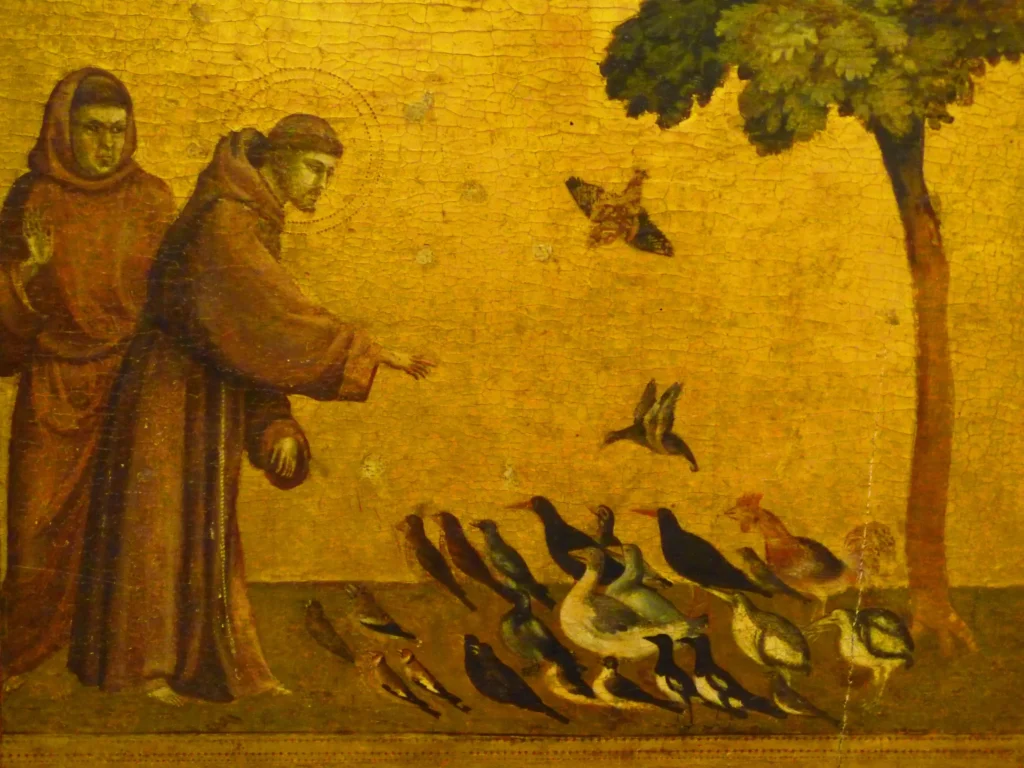
Because of this perspective, he is often shown surrounded by birds or other animals in paintings and sculptures.
His famous work, Canticle of the Creatures, celebrates the natural world as a gift worthy of gratitude and care.
Many environmental organizations continue to reference his teachings when discussing conservation and responsible stewardship of nature.
Why Is Saint Francis the Patron Saint of Animals?
Francis became known as the patron saint of animals because of numerous stories describing his compassion toward living creatures.
Traditional accounts tell of him:
- Speaking gently to birds
- Caring for injured animals
- Encouraging people to treat animals kindly
- Seeing all living beings as part of God’s creation
Although some stories have become symbolic over time, they continue to represent his message of respect, kindness, and peaceful coexistence.
Every year, many churches hold animal blessing ceremonies near his feast day in October to honor his legacy.
Important Teachings of Saint Francis
The teachings of Saint Francis remain surprisingly relevant in modern life.
1. Practice Humility
Francis believed that genuine greatness comes through serving others rather than seeking recognition.
2. Help Those in Need
He encouraged people to care for the poor, the sick, and anyone facing hardship.
3. Live Simply
Instead of chasing endless possessions, Francis emphasized gratitude for life’s basic blessings.
4. Respect Nature
Long before environmental protection became a global concern, Francis taught people to appreciate and care for the natural world.
5. Choose Peace
Throughout his life, Francis promoted reconciliation, understanding, and compassion instead of conflict.
These values continue to inspire individuals regardless of their religious background.
The Last Years of His Life
In his later years, Francis faced declining health but remained committed to his mission.
He continued traveling, teaching, and encouraging his followers.
Historical records indicate that he received the stigmata—marks corresponding to the wounds of Christ—making him one of the earliest recorded saints associated with this phenomenon in Christian tradition.
Francis died on October 3, 1226, at the age of approximately 44.
Only two years later, he was officially declared a saint because of his extraordinary influence and reputation for holiness.
The Lasting Legacy of Saint Francis of Assisi
The legacy of Saint Francis extends far beyond religious history.
His influence can be seen in:
- Humanitarian work
- Environmental awareness
- Charitable organizations
- Animal welfare efforts
- Christian spirituality
- Peace movements
His emphasis on compassion, humility, and responsible living continues to inspire people around the world.
Many schools, hospitals, churches, and charitable organizations proudly carry his name as a reminder of his enduring example.
Lessons We Can Learn Today
Although Saint Francis lived more than 800 years ago, many of his ideas remain practical today.
Here are a few lessons we can apply:
- Be kind even when no one is watching.
- Appreciate nature and protect the environment.
- Focus on relationships rather than possessions.
- Help people whenever possible.
- Live with gratitude instead of constantly seeking more.
- Practice humility in everyday life.
- Promote peace through understanding and respect.
These timeless principles make his story meaningful for people of all ages.
Why Saint Francis of Assisi Still Matters
In today’s fast-moving world, many people seek balance, purpose, and inner peace.
Saint Francis reminds us that happiness does not depend solely on wealth or success. Instead, lasting fulfillment often comes from kindness, generosity, gratitude, and caring for both people and nature.
His life demonstrates that even one person’s commitment to compassion can leave a lasting impact on generations to come.
Frequently Asked Questions
Who was Saint Francis of Assisi?
Saint Francis of Assisi was an Italian religious leader who founded the Franciscan Order and became known for his simple lifestyle, compassion, and love for nature.
Why is Saint Francis famous?
He is famous for choosing a life of poverty, serving the poor, promoting peace, and inspiring respect for animals and the environment.
What is Saint Francis the patron saint of?
Saint Francis is recognized as the patron saint of animals, nature, ecology, and environmental stewardship.
What was the main message of Saint Francis?
His main message focused on humility, compassion, peace, simplicity, and caring for all creation.
Why is Saint Francis still important today?
His teachings encourage people to value kindness, environmental responsibility, service to others, and a life centered on compassion rather than material wealth.
Conclusion
Understanding who Saint Francis of Assisi was reveals much more than the story of a medieval religious figure. His decision to exchange wealth for service, his respect for every living creature, and his unwavering commitment to peace created a legacy that continues to inspire people across cultures and generations.
Whether admired for his spiritual leadership, humanitarian values, or environmental vision, Saint Francis remains a timeless example of how compassion and humility can transform both individual lives and communities. His story encourages us to live with greater purpose, treat others with kindness, and appreciate the world around us—lessons that remain as meaningful today as they were more than eight centuries ago.

Leave a Reply