
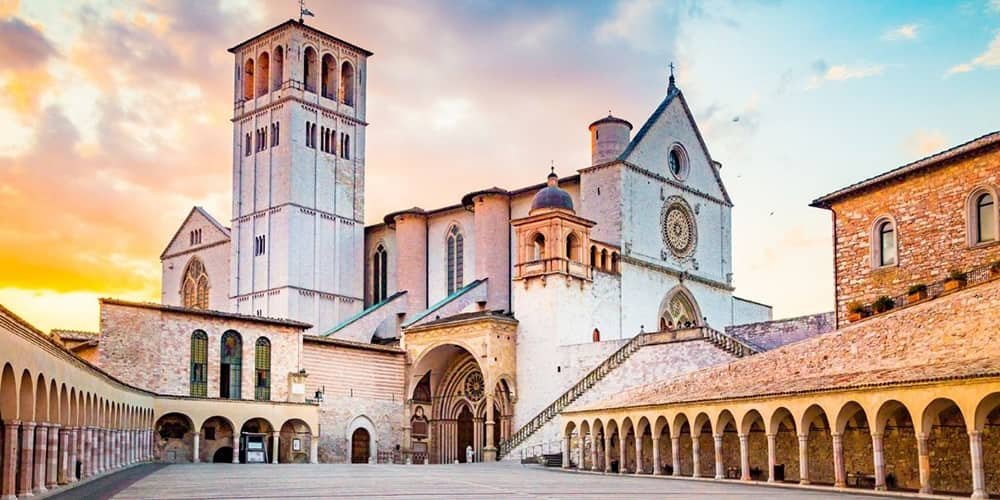
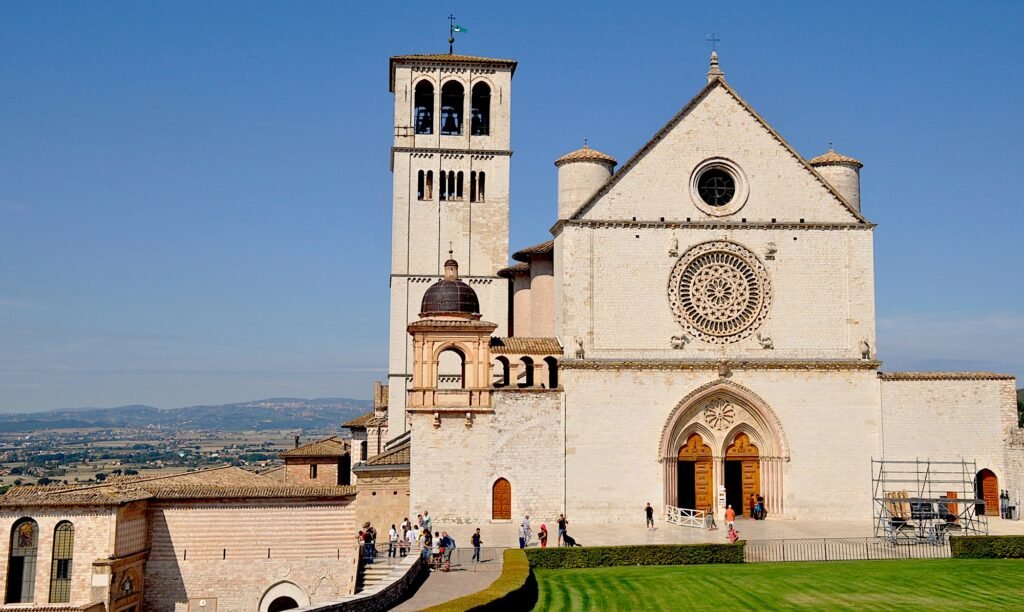
Assisi is one of Italy’s most beloved pilgrimage destinations, attracting millions of visitors each year. Most travelers come to see the magnificent Basilica of Saint Francis and other famous landmarks. While these iconic sites deserve every bit of their reputation, the town also hides many beautiful churches that offer a quieter and more personal experience.
These hidden churches to visit in Assisi Italy reveal another side of the city’s spiritual and cultural heritage. Tucked away along peaceful streets, ancient stone pathways, and scenic hillsides, these sacred places preserve centuries of history, remarkable artwork, and moments of deep reflection. They are ideal for travelers who want to experience Assisi beyond the usual tourist route.
Whether you are a pilgrim, history enthusiast, photographer, or simply someone seeking peaceful places, these lesser-known churches provide unforgettable experiences that complement the more famous attractions.
Why Explore Hidden Churches in Assisi?
Assisi’s smaller churches are often overlooked because visitors focus on the city’s major landmarks. However, these quiet sanctuaries offer several unique advantages.
They provide:
- Fewer crowds and a peaceful atmosphere
- Beautiful medieval architecture
- Ancient frescoes and religious artwork
- Rich Franciscan history
- Authentic local experiences
- Excellent opportunities for prayer and reflection
Many of these churches have remained places of worship for hundreds of years while preserving their original character.
Chiesa di Santo Stefano
One of Assisi’s most charming hidden churches is Chiesa di Santo Stefano. Located along a narrow medieval street, this small Romanesque church is easy to miss unless you know where to look.
Dating back to the 12th century, Santo Stefano features a simple stone façade that reflects the modest beauty common in Franciscan architecture. Inside, visitors find a peaceful atmosphere with elegant arches and historical details that have survived for centuries.
Many historians believe Saint Francis himself may have walked past this church countless times during his life in Assisi.
Highlights
- Romanesque architecture
- Quiet prayer space
- Historic stone interior
- Excellent photography location
Chiesa di San Giacomo De Muro Rupto
Hidden close to the old city walls, San Giacomo De Muro Rupto is one of Assisi’s oldest churches.
Its name means “Saint James of the Broken Wall,” referring to the damaged medieval walls that once surrounded the area.
The church has undergone several restorations throughout history, yet it still retains much of its original medieval charm. Visitors appreciate its peaceful setting away from the busiest streets.
Inside, simple decorations and historic religious art reflect centuries of local devotion.
Chiesa di San Paolo
Many travelers walk past San Paolo without realizing its historical importance.
Originally built during the Middle Ages, this church represents the quiet faith of local residents rather than grand religious ceremonies. Its modest design perfectly complements the Franciscan ideals of humility and simplicity.
The peaceful courtyard nearby offers a pleasant place to rest while exploring Assisi’s historic center.
Santa Maria Maggiore
Although located near Assisi’s central attractions, Santa Maria Maggiore often receives far fewer visitors than it deserves.
The church has ancient origins and has witnessed many important moments in the city’s religious history.
Its interior combines different architectural styles developed over centuries, making it an interesting destination for visitors interested in church history.
One of its most significant features is the connection with Blessed Carlo Acutis, whose tomb has made the church increasingly meaningful for modern pilgrims while still maintaining a calm atmosphere.
Chiesa Nuova
Chiesa Nuova stands on the traditional site believed to be the birthplace of Saint Francis.
While many pilgrims visit the church briefly, they often overlook its beautiful interior and spiritual significance.
Built during the 17th century, Chiesa Nuova features elegant Baroque architecture while preserving memories of Francis’ early family life.
Visitors can explore small rooms beneath the church traditionally associated with the home of the Bernardone family.
Eremo delle Carceri Chapel
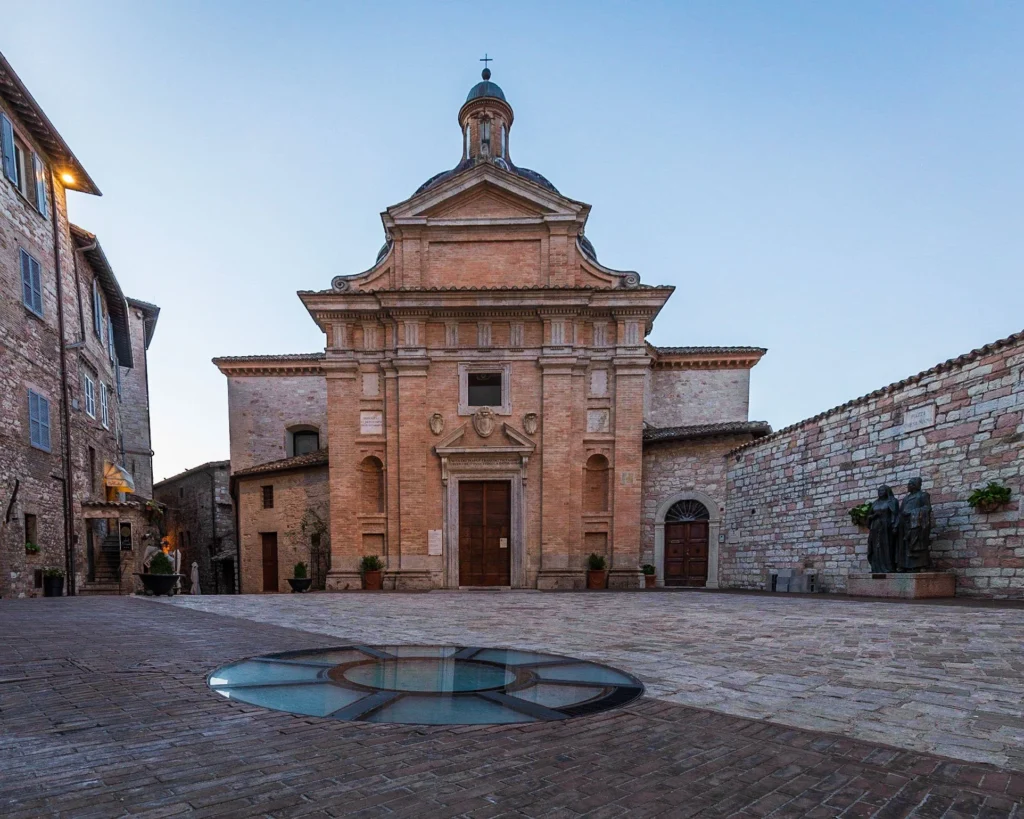
Although many visitors come to Eremo delle Carceri for its forest setting, they sometimes overlook the small chapel located within this peaceful sanctuary.
Situated on the slopes of Mount Subasio, the hermitage was one of Saint Francis’ favorite places for prayer and solitude.
The chapel perfectly reflects Franciscan spirituality through its simplicity.
Surrounded by ancient trees and birdsong, it offers one of the most peaceful worship experiences in Assisi.
Chiesa di San Pietro
Often overshadowed by the Basilica of Saint Francis, San Pietro is one of Assisi’s architectural treasures.
Its impressive Romanesque façade features beautifully carved stone figures dating back centuries.
Inside, visitors discover elegant columns, medieval artwork, and a peaceful environment rarely crowded with tourists.
The church is especially appreciated by travelers interested in medieval architecture.
Sanctuary of Rivotorto
Located just outside Assisi, the Sanctuary of Rivotorto is closely connected with the early Franciscan community.
This peaceful church protects the simple stone shelter where Saint Francis and his first companions are believed to have lived before larger monasteries were established.
The modern church built around the historic structure allows visitors to appreciate both the ancient shelter and the surrounding worship space.
For anyone interested in the beginnings of the Franciscan movement, this sanctuary is an essential stop.
Hidden Artistic Treasures Inside These Churches
Many of Assisi’s lesser-known churches contain remarkable works of art that are often overlooked.
Visitors may discover:
- Medieval frescoes
- Renaissance paintings
- Ancient wooden crucifixes
- Handcrafted stone altars
- Historic religious sculptures
- Decorative stained-glass windows
Unlike crowded museums, these churches allow visitors to admire artwork in peaceful surroundings.
Tips for Visiting Hidden Churches in Assisi
A little preparation helps you enjoy these historic sites respectfully.
Follow these simple tips:
- Wear modest clothing suitable for places of worship.
- Speak quietly inside churches.
- Check opening hours before visiting.
- Avoid flash photography where prohibited.
- Consider visiting early in the morning for a peaceful experience.
- Support preservation efforts through optional donations when available.
- Respect religious services if they are taking place.
Best Time to Explore Hidden Churches
Assisi welcomes visitors throughout the year, but each season offers a different experience.
Spring
Spring brings pleasant temperatures, blooming flowers, and comfortable walking conditions.
Summer
Summer offers longer daylight hours, although popular attractions become busier. Hidden churches remain much quieter than the city’s main landmarks.
Autumn
Autumn is one of the best seasons for photography, with mild weather and beautiful countryside colors.
Winter
Winter provides the most peaceful atmosphere. Visitors can enjoy many churches with very few crowds, creating an ideal environment for quiet reflection.
Planning Your Walking Route
Most hidden churches are located within Assisi’s historic center, making them easy to visit on foot.
A suggested walking route includes:
- Santo Stefano
- San Paolo
- Santa Maria Maggiore
- Chiesa Nuova
- San Pietro
If you have additional time, continue outside the city to visit:
- Sanctuary of Rivotorto
- Eremo delle Carceri
Walking between these churches also allows you to enjoy Assisi’s charming stone streets, scenic viewpoints, local cafés, and artisan shops.
Why These Hidden Churches Matter
Beyond their architectural beauty, these churches tell the story of Assisi’s spiritual journey across many centuries.
Each church reflects different aspects of local religious life, from humble neighborhood worship to the Franciscan tradition that continues to inspire millions of people worldwide.
Unlike larger pilgrimage sites, these quieter churches encourage visitors to slow down, observe carefully, and appreciate the peaceful atmosphere that has defined Assisi for generations.
They also help preserve important works of art, historical architecture, and community traditions that might otherwise remain unnoticed.
Conclusion
Exploring the hidden churches to visit in Assisi Italy offers far more than simply adding extra stops to your itinerary. These peaceful places reveal the city’s authentic character through centuries-old architecture, inspiring artwork, and deep spiritual heritage.
From the quiet beauty of Santo Stefano to the tranquil forests surrounding Eremo delle Carceri and the historic Sanctuary of Rivotorto, every hidden church tells its own unique story. Together, they provide a richer understanding of Assisi beyond its famous landmarks.
If you want a more meaningful and memorable visit, take time to wander beyond the busiest streets. You will discover welcoming churches, remarkable history, and moments of quiet reflection that often become the most treasured memories of an Assisi journey.

Leave a Reply